
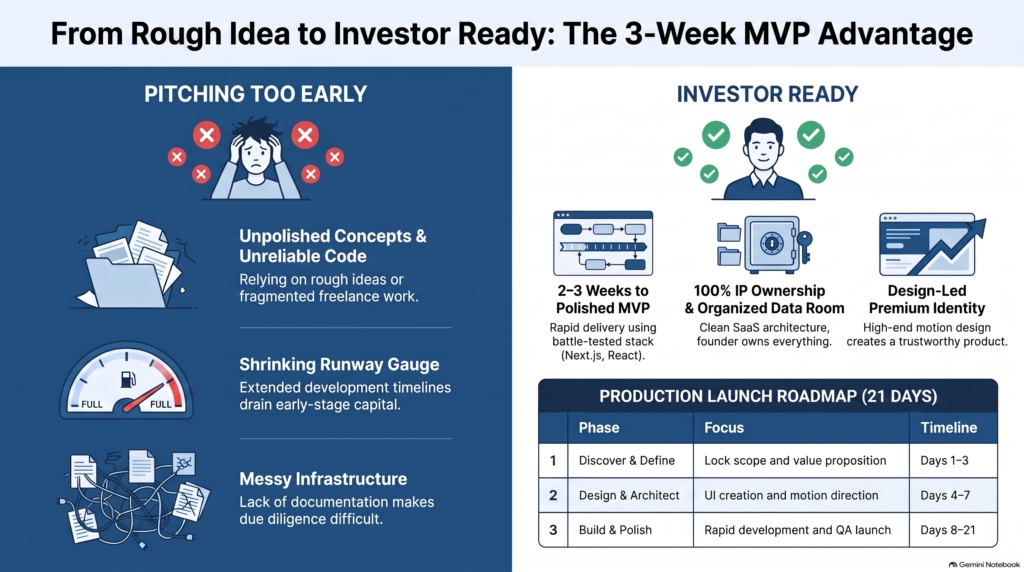
Quick Answer: An investor readiness checklist covers six areas — market validation, financials, legal documents, product proof, team story, and pitch materials. For founders preparing with bkabhi, missing even one can cause a first-time pitch to stall before due diligence begins.
Most founders don’t lose investor interest in the pitch. They lose it in the follow-up email.
An investor says “send me your deck and financials,” and the founder scrambles for three weeks. That gap is what an investor readiness checklist is built to close.
This guide walks through exactly what “ready to raise” means, stage by stage, so your first pitch doesn’t stall at the data room.
Table of Contents
How to Use This Checklist
Treat this less like a document to fill out once and more like a working checklist you revisit before every investor conversation, not just the first one.
Each section below builds on the last. Business validation feeds the financial model, the financial model feeds due diligence prep, and all of it eventually lands in your data room.
Work through the sections in order if you’re starting from scratch. If you’ve already raised a friends-and-family round, skim ahead to whichever category feels weakest — usually financial or legal readiness for first-time founders.
By the end, you’ll have a clear, honest answer to whether you’re an investor readiness startup today, or a few weeks away from being one.
What “Investor Readiness” Actually Means
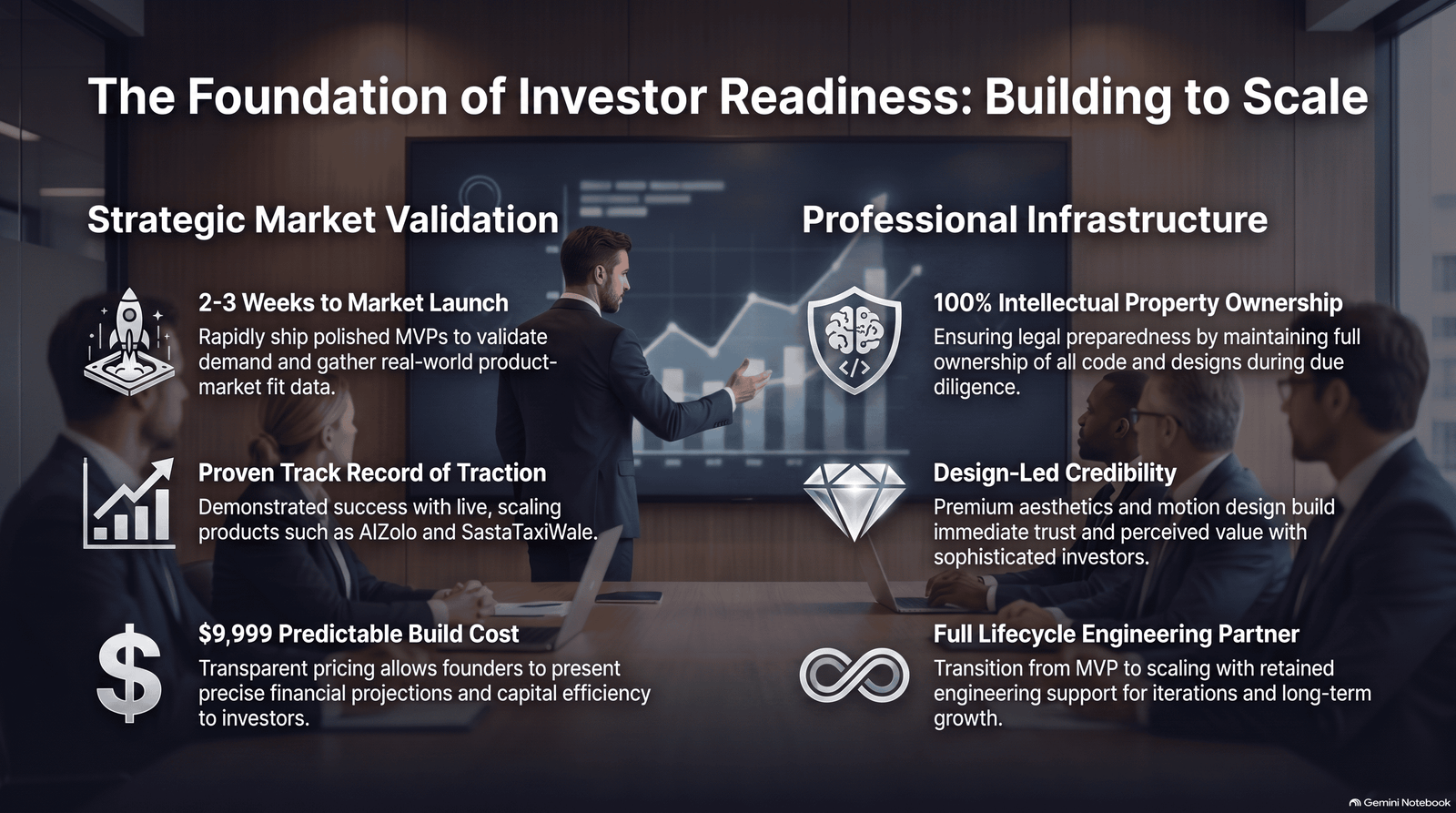
Investor readiness isn’t a feeling. It’s a documented, verifiable state that lets an investor move from “interested” to “term sheet” without waiting on you.
Being investor-ready startup means three things are true at once:
- You can prove people want what you’re building
- You can show the numbers behind that proof
- You can hand over clean documents the moment someone asks
Founders often confuse a good idea with investor readiness startup status. Investors don’t fund ideas — they fund evidence, structure, and a team that can execute.
That’s the gap this checklist closes.
Why Most Founders Pitch Before They’re Ready
Pressure to raise early is real. Runway is shrinking, a competitor just closed a round, or an investor took a call sooner than expected.
But pitching without an investor readiness checklist in hand usually backfires in one of three ways.
The deck looks good, the data room doesn’t. Investors move fast once interested, and a messy cap table or missing incorporation document kills momentum instantly.
Traction claims can’t be verified. “We have strong demand” without a dashboard, cohort data, or signed letters of intent reads as guesswork, not evidence.
The founder can’t answer basic financial questions. Burn rate, runway, and unit economics need to come from memory, not a spreadsheet you promise to send later.
Related reading: if you’re still validating demand, our breakdown of problem validation vs solution validation is worth reviewing before you build a pitch deck around unproven assumptions.
The Investor Readiness Checklist: Business & Market Validation
This is the foundation of every investor readiness checklist. Without proof of demand, nothing else in your data room matters.
1. A clearly defined problem and target customer
Investors want a one-sentence problem statement, not a paragraph. Vague positioning is the fastest way to lose a room in the first two minutes.
If you haven’t stress-tested this yet, our guide on customer discovery interview questions walks through how to validate the problem with real conversations, not assumptions.
2. Evidence of demand, not just interest
“People said they’d use it” is not proof. Investors want signed waitlists, pilot users, pre-orders, or paid pilots.
If you ran a pre-launch waitlist strategy or a landing page test before building a product, bring the conversion numbers, not just the screenshot.
3. A clear, defensible business model
Explain how the business makes money in one sentence: pricing, unit economics, and who pays. Complicated revenue stories signal an unfinished plan.
4. Market sizing that isn’t inflated
Avoid top-down “if we capture 1% of a trillion-dollar market” math. Investors trust bottom-up sizing built from real customer counts and pricing.
This section alone determines whether the rest of your investor readiness checklist even gets reviewed.
Financial Readiness Checklist
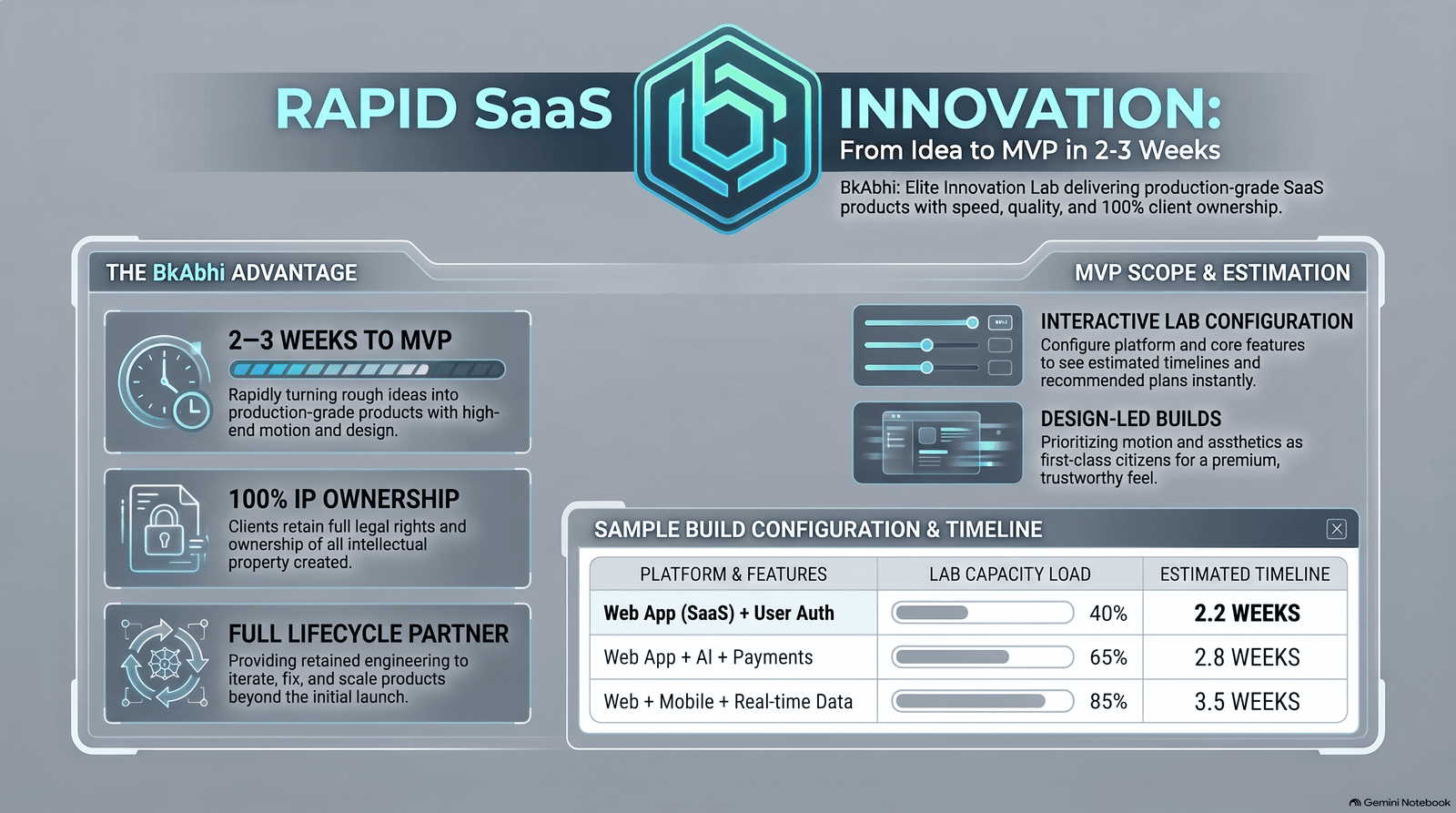
Financial readiness is where most first-time founders lose credibility fastest. This part of the ready to raise checklist has to be airtight.
5. A working financial model, not a static spreadsheet
Your model should show 18–24 months of projections, with revenue, costs, and burn tied to real assumptions an investor can question live.
6. Clean, current burn rate and runway numbers
Know your monthly burn, current cash, and exact runway in months — without opening a calculator during the meeting.
7. A clear use-of-funds breakdown
Investors expect a simple split: how much goes to product, hiring, marketing, and operations, and what milestone each dollar buys you.
8. A cap table that reflects reality
Every SAFE, convertible note, advisor grant, and founder share needs to be logged in one place. A tool like Carta’s cap table guide is a useful reference for structuring this correctly.
9. Historical financials, even if minimal
Pre-revenue is fine. Sloppy bookkeeping is not. Bank statements and basic bookkeeping records should be exportable within minutes, not days.
Legal & Due Diligence Prep
Due diligence prep is the part of an investor readiness checklist founders postpone the longest — and regret postponing the most.
10. Proper incorporation documents
Certificate of incorporation, bylaws, and good standing status should be current and stored in one folder. Delaware C-corps and equivalent structures are the norm most institutional investors expect.
11. IP ownership, assigned correctly
Every piece of code, design, or content needs a signed IP assignment from founders, contractors, and early employees. Unassigned IP is one of the most common deal-killers in diligence.
12. Signed contracts with contractors and vendors
If you outsourced early development, confirm the agreement includes an IP assignment clause. If you’re still choosing a technical partner, our guide on picking a startup software development partner covers what those contracts should include.
13. Basic compliance and licensing
Depending on your industry, this might mean data privacy compliance, financial licensing, or health regulations. Flag anything relevant before an investor’s lawyer does.
14. Standard fundraising documents ready to go
Familiarize yourself with NVCA model legal documents — the templates most U.S. venture deals are built from — so term sheet language doesn’t catch you off guard.
Skipping due diligence prep doesn’t just slow a deal down. It signals to investors that operational discipline is missing elsewhere too.
Product Readiness Checklist
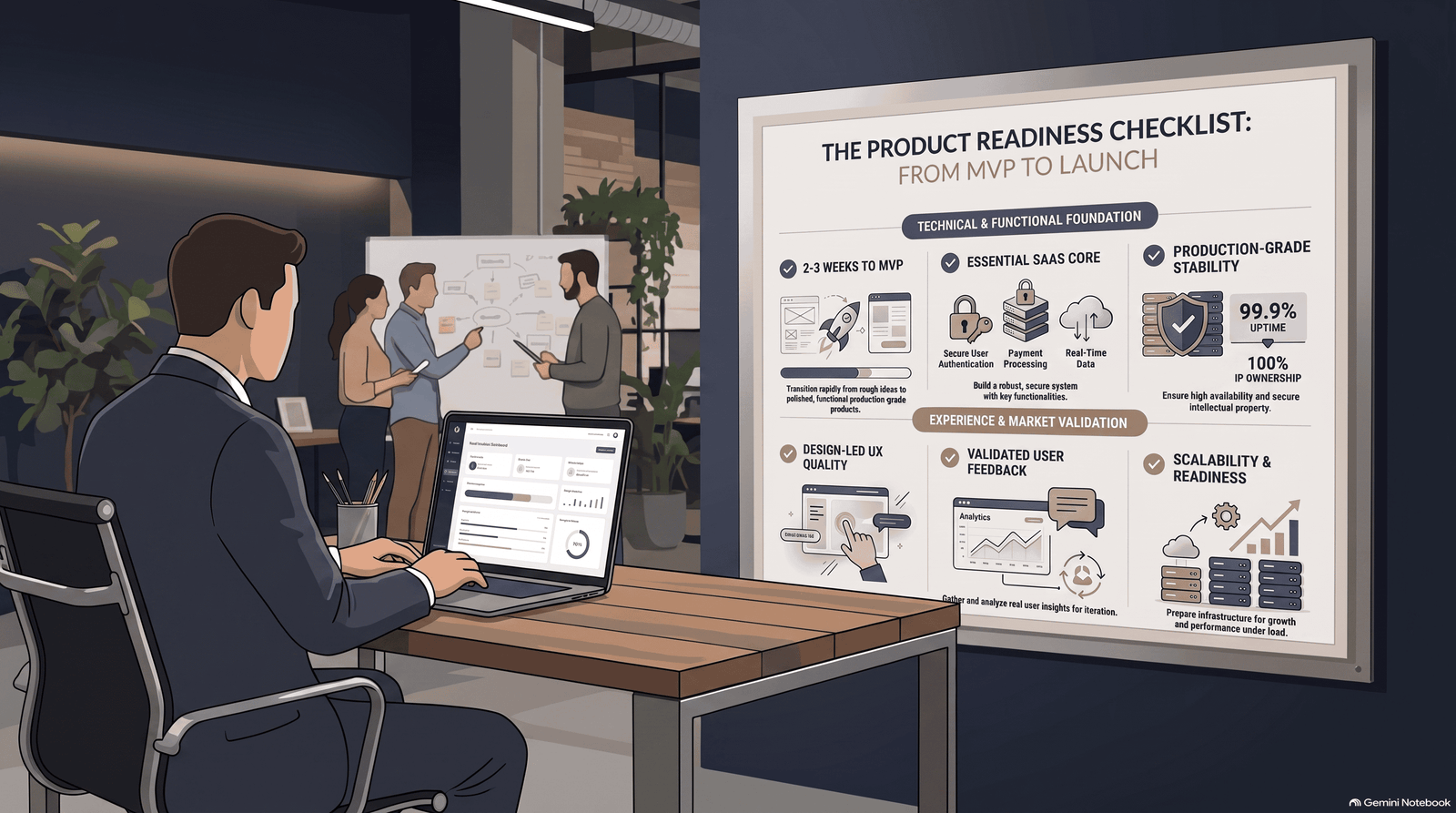
Investors aren’t expecting a finished product. They’re expecting proof that what exists actually works and reflects real user behavior.
15. A functioning MVP, not a mockup
If your current build is closer to a prototype than a usable product, be upfront about it. Our comparison of MVP vs prototype vs POC explains how investors typically read the difference.
16. Usage data, not just screenshots
Active users, retention curves, and session data carry far more weight than a polished demo video. If you’re unsure what “good” looks like, review these product-market fit signals before your pitch.
17. A realistic product roadmap
Show the next two to three milestones tied to the funding you’re raising, not a five-year vision deck disconnected from near-term execution.
18. Technical documentation an outside developer could follow
If your build partner is external, keep basic architecture notes accessible. It signals the product isn’t a black box only one person understands.
If you’re still deciding how much to build before fundraising, our guide on MVP vs full product development breaks down what stage is appropriate before a first pitch.
Team Readiness Checklist
Investors back people as much as products, especially at pre-seed and seed. This part of the investor readiness checklist gets skipped more than it should.
19. A tight founder-market fit story
Why is this team the right one to solve this problem? One or two sentences, backed by specific experience, works better than a long biography.
20. Clarity on roles and equity splits
Founder disagreements over equity, discovered mid-diligence, are a common reason term sheets get pulled. Settle this before you pitch, not after.
21. Key hiring gaps identified honestly
If you’re missing a technical co-founder or first engineering hire, say so and explain the plan. Investors respect a clear gap more than a vague dodge.
22. Advisor and board structure, if any
List advisors with real, specific contributions — not names added purely for credibility.
Pitch Materials & Due Diligence Data Room
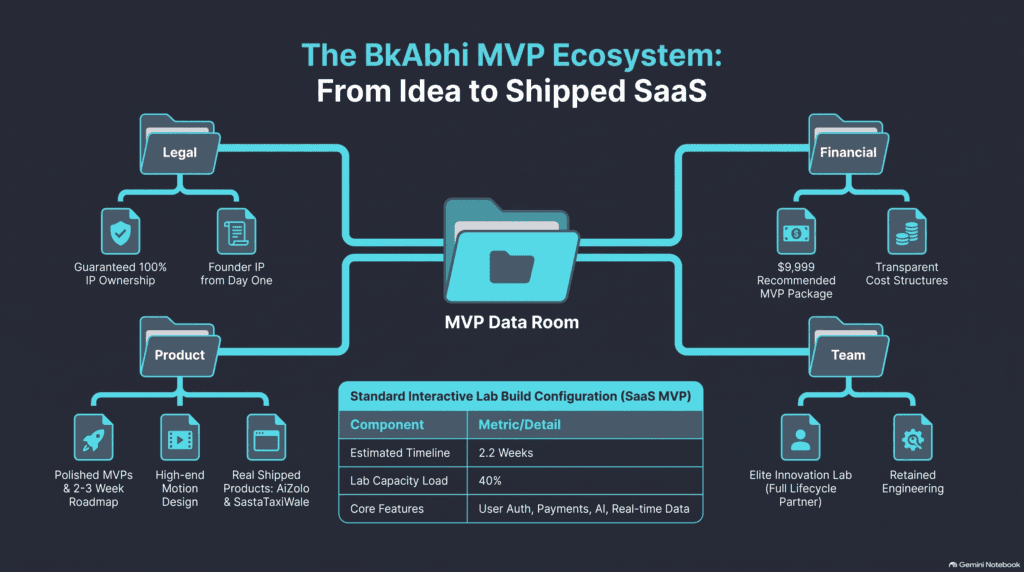
This is where every earlier section gets packaged. A strong investor readiness checklist ends with materials an investor can act on immediately.
23. A concise pitch deck (10–14 slides)
Problem, solution, market, traction, business model, team, financials, and the ask. No slide should require narration to be understood on its own.
24. A one-page executive summary
Some investors prefer a summary before committing to a full meeting. Keep it to one page, skimmable in under two minutes.
25. An organized due diligence data room
Folder structure matters. Group documents into Legal, Financial, Product, and Team so an investor’s associate can navigate it without asking you where things are.
26. A short product demo or walkthrough video
A two-minute screen recording often does more than ten minutes of live demo, especially for async follow-ups after the first call.
Investor Readiness Self-Assessment
Before booking your first investor meeting, score yourself honestly against this ready to raise checklist.
You’re likely ready if you can say yes to most of these:
- You can state your traction numbers without checking a spreadsheet
- Your cap table is documented and shared internally
- IP assignments are signed for every contributor
- Your financial model survives basic investor questioning
- Your data room could be shared within 24 hours of a request
If more than two of these are still “in progress,” it’s worth another two to three weeks of due diligence prep before your first pitch.
Rushing past this stage rarely saves time — it usually just moves the delay from before the pitch to after it.
Investor Readiness by Funding Stage
An investor readiness checklist isn’t identical at every stage. What a pre-seed investor expects is different from what a Series A investor requires.
Pre-seed: proof of problem, not proof of scale
At pre-seed, investors mostly want evidence you understand the problem deeply. A validated hypothesis, early user conversations, and a clear founder-market fit story matter more than revenue.
Legal and financial readiness still apply — a clean cap table and signed IP assignments are expected even before a single dollar of revenue comes in.
Seed: proof of early traction
By seed, the bar shifts toward usage data. Investors want to see retention, early paying customers, or a working MVP with real behavioral signals behind it.
This is where due diligence prep becomes more detailed. Expect requests for cohort data, churn numbers, and a financial model that reflects actual, not projected, activity.
Series A: proof of a repeatable engine
At Series A, the investor readiness startup bar is operational, not just narrative. Investors want to see repeatable acquisition channels, unit economics that hold up under scrutiny, and a leadership team capable of scaling past founder-led sales.
The core investor readiness checklist stays the same across every stage. What changes is the depth of evidence behind each item.
Common Mistakes That Sink First Pitches
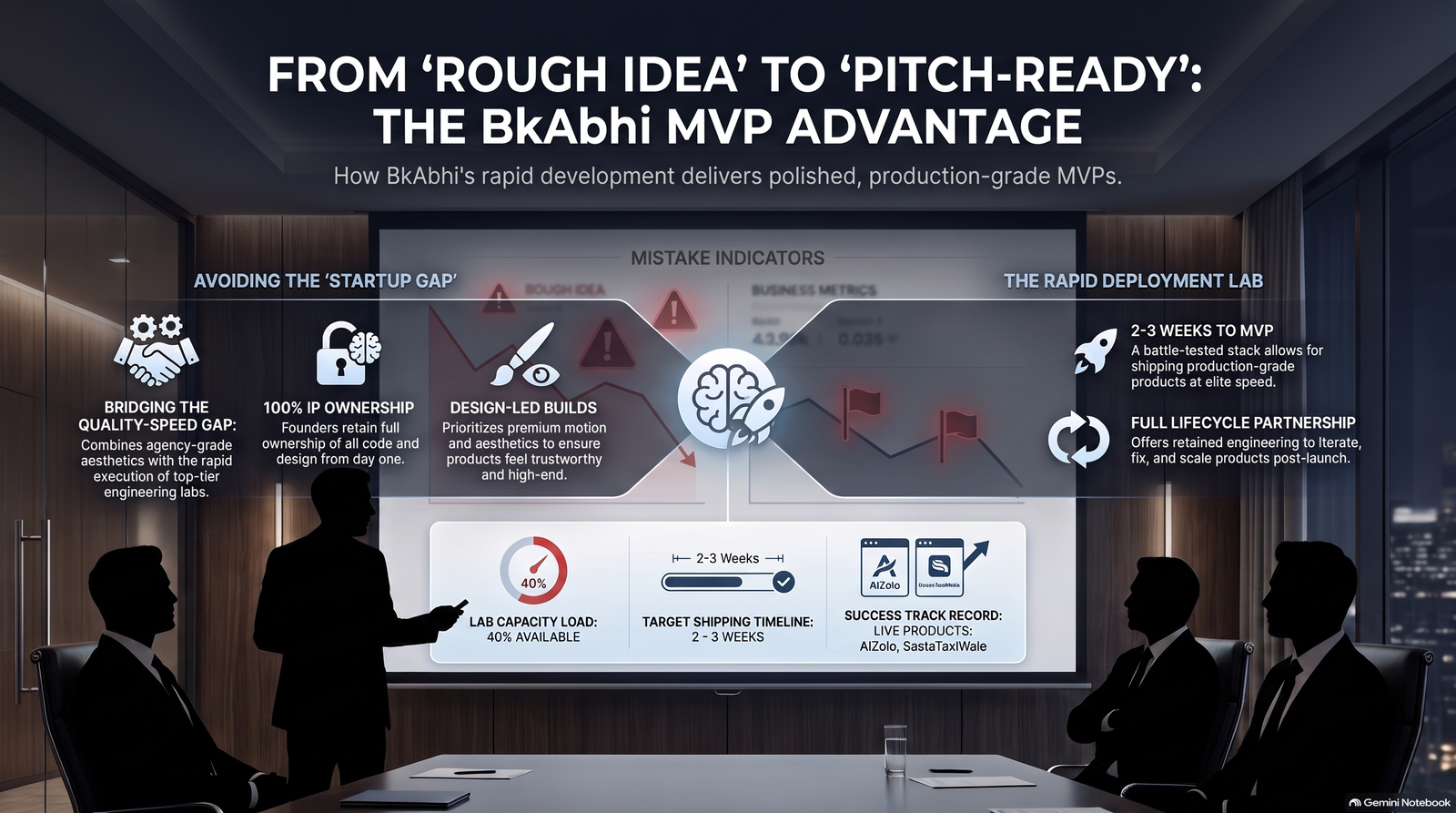
Even founders who complete most of an investor readiness checklist stumble on a few recurring issues.
Inflated projections with no supporting logic. Optimism is fine. Projections detached from current traction data are not.
Treating the checklist as a one-time task. Investor readiness startup status isn’t permanent — cap tables change, burn rates shift, and documents need updating before every raise.
Sending materials before they’re reviewed. A second set of eyes, ideally someone who’s sat through due diligence before, catches gaps founders miss after weeks of staring at their own numbers.
Skipping the “why now” narrative. Investors want to know why this moment, this market, and this team align — not just that the product works.
Confusing investor interest with investor readiness. A warm intro or a positive first call doesn’t replace the underlying checklist — it just gets you to the point where the checklist gets tested.
Waiting until the term sheet stage to organize the data room. By then, negotiating leverage has already shifted. Founders who show up organized on day one keep more control over deal terms.
Final Pre-Pitch Checklist Recap
Before your first investor meeting, confirm these six categories are complete:
- Market validation and traction evidence
- Financial model, burn rate, and cap table
- Legal documents and due diligence prep
- A functioning, demonstrable product
- Clear team roles and founder-market fit
- A polished deck, summary, and organized data room
This is the core of any investor readiness checklist — six categories, verified, before you ever send a calendar invite.
Frequently Asked Questions
What is an investor readiness checklist?
An investor readiness checklist is a structured list of business, financial, legal, product, and team requirements a startup should confirm before pitching investors, so due diligence doesn’t stall the raise.
How long does due diligence prep usually take?
For most early-stage startups, due diligence prep takes two to six weeks, depending on how organized existing financial and legal records already are.
Do I need a lawyer before my first pitch?
Not necessarily for the first conversation, but you’ll want legal support before signing a term sheet. Reviewing NVCA model legal documents beforehand helps you understand standard terms in advance.
What’s the difference between investor readiness and being fundable?
Investor readiness is about documentation and clarity. Being fundable also requires market timing, traction, and investor appetite — factors partly outside your control.
Can a pre-revenue startup be investor ready?
Yes. Pre-seed and seed investors don’t require revenue, but they do expect validated demand, a clear model, and clean legal and cap table records.
How is a ready to raise checklist different from a pitch deck?
A pitch deck is one output of the process. A ready to raise checklist covers everything behind it — financials, legal documents, and product proof — that investors verify after the deck gets a “yes.”
What documents do investors usually request first in due diligence?
Most investors start with the cap table, incorporation documents, and financial model, since these reveal whether the rest of the data room is likely to be organized.
Closing Thoughts
An investor readiness checklist isn’t about looking impressive for one meeting. It’s about removing every reason a “yes” could turn into a stalled email thread.
Founders who treat this as ongoing hygiene, not a pre-pitch scramble, raise faster and negotiate from a stronger position.
If your product still needs work before you’re ready to have this conversation, explore how BkAbhi Innovations Lab helps early-stage founders ship a fundable MVP without burning their entire runway on development.
Author Bio
Jeevesh Tripathi Startup Growth & Fundraising Readiness Researcher, BkAbhi Innovations Lab 📧 jeevesh@bkabhi.com
Jeevesh works closely with early-stage founders on fundraising preparation, MVP strategy, and go-to-market planning at BkAbhi Innovations Lab. His research focuses on the operational gaps that most often stall first-time founders during investor due diligence, drawing on direct experience supporting startups from initial validation through their first funding conversations.
Sources referenced: NVCA Model Legal Documents, Carta — Understanding Cap Tables, Y Combinator Startup School