
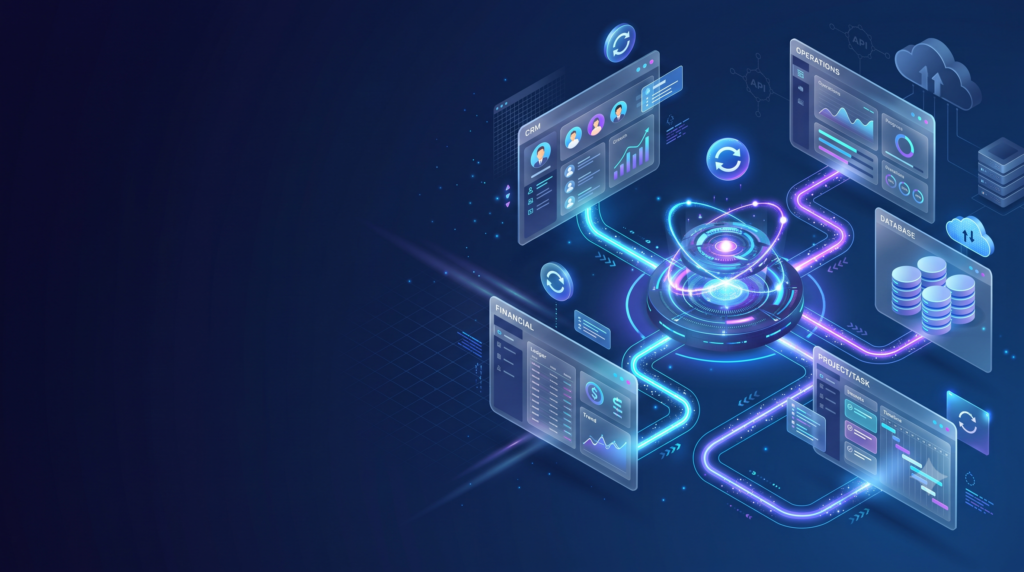
Real-Time Data Synchronization Between Applications: How It Works and Best Practices
Many companies utilise different applications to carry out business activities. For example, a SaaS firm may use a Customer Relationship
Many companies utilise different applications to carry out business activities. For example, a SaaS firm may use a Customer Relationship
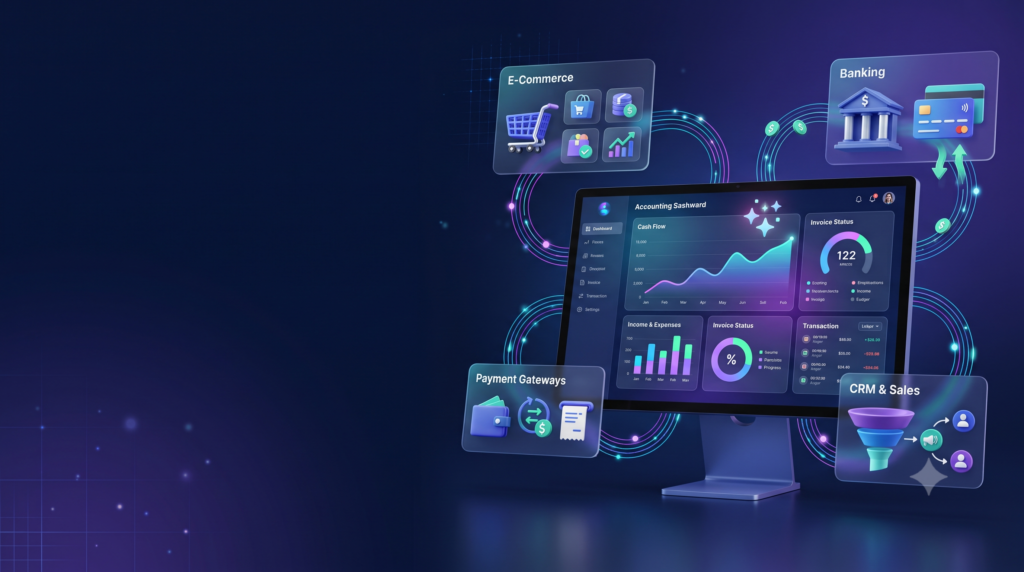
Small businesses often use separate applications to manage sales, invoices, customer information, employee payments, inventory and expenses. Whilst individual programmes
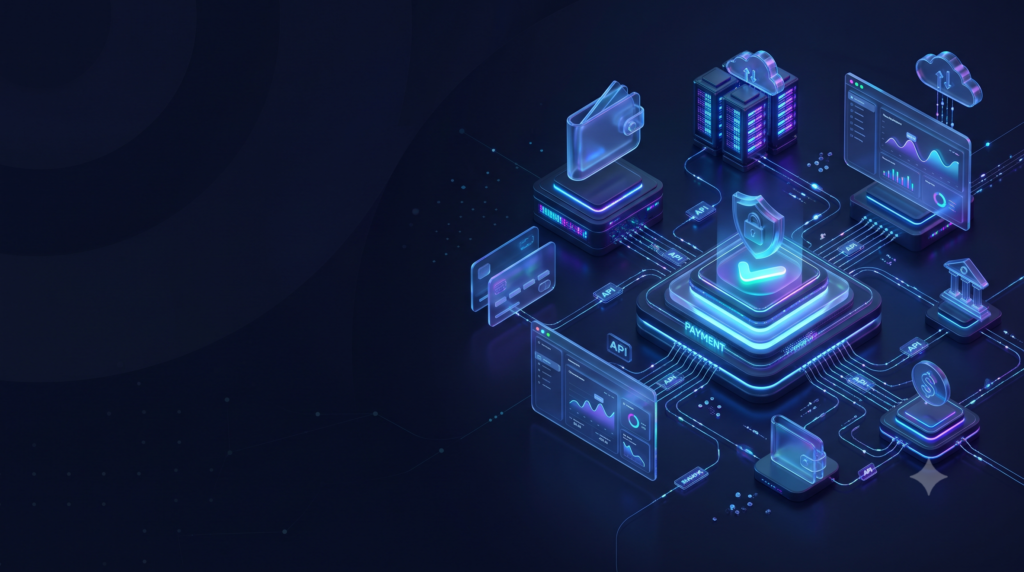
Alongside a great product, good design and price points, users require a secure method of making payments for a SaaS
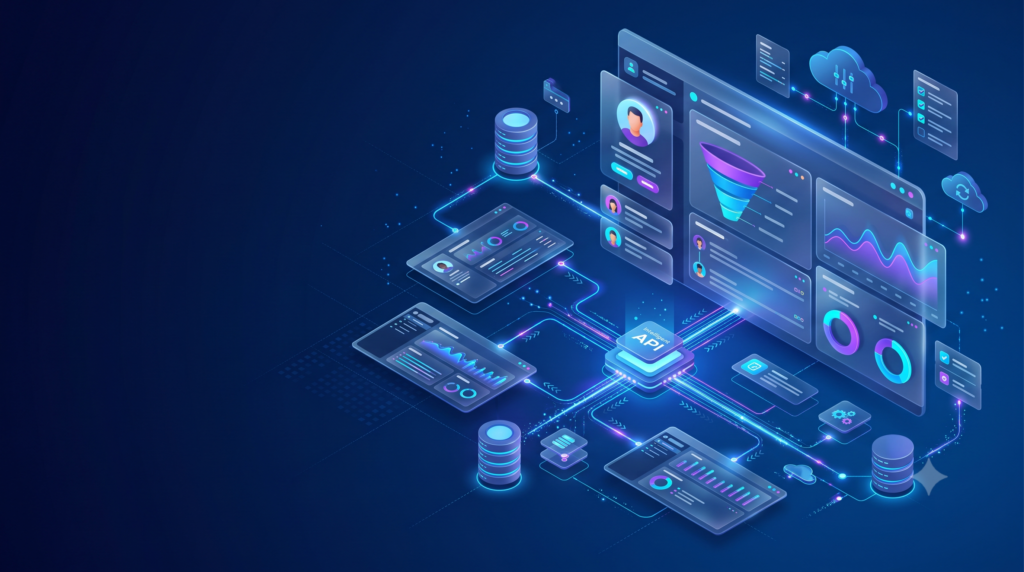
A SaaS application may have its own customer database, subscription management system, user accounts, and business workflows. Many organisations also
Modern applications rarely operate independently. A SaaS solution may make use of various supporting tools including a payment processor, CRM,
Businesses commonly use various software to manage areas such as sales, customers, finance and staff. Whilst each programme will support
Applications can often connect to external services which can reduce a company’s workload, and add functionality. The price of integration
Businesses often use different applications to manage customers, payments, inventory, marketing, accounting, and internal operations. Different software does not always
Enterprise customers evaluate software differently from individual users and small businesses. They don’t just look at the features or interface.