
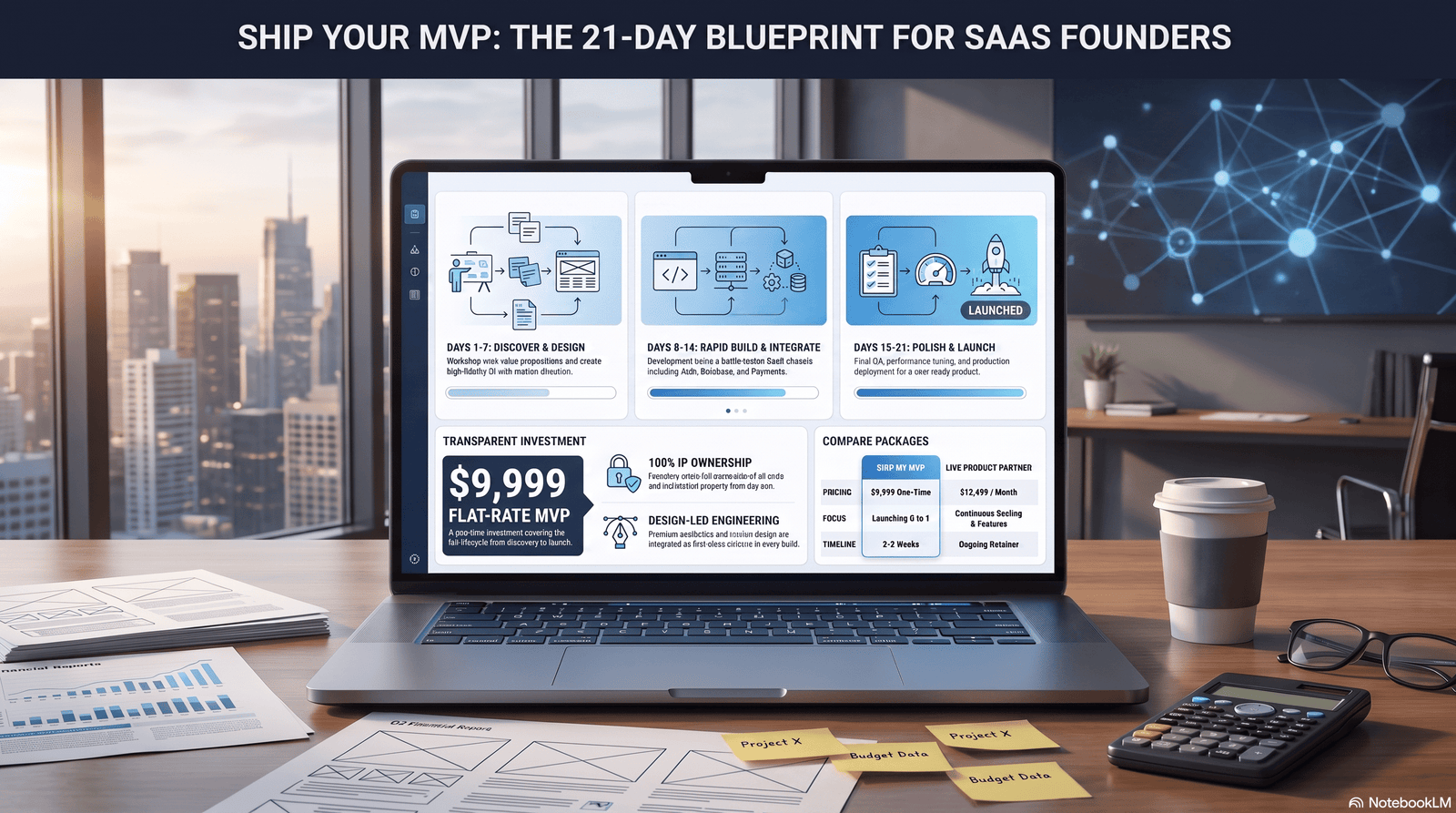
Quick Answer
MVP development cost in the USA typically ranges from $15,000 for a bare-bones prototype built by a freelancer to $150,000+ for an agency-built product with a senior team. US-based teams bill $60-$250 per hour depending on seniority, region, and engagement model, while in-house hires cost 1.5-1.8x their base salary once benefits and overhead are included. The right number depends on whether you’re validating an idea or building for scale, which is exactly what our pillar guide to the best MVP development companies in the USA helps you figure out.
Three founders in the same accelerator cohort asked for quotes on nearly identical apps last quarter while researching MVP development cost USA.
One got $18,000, another $85,000, and a third $210,000—showing just how widely MVP development cost USA can vary depending on scope, team, and delivery model.
None of them were lying. They were pricing three different realities: a solo freelancer, a lean US agency, and an enterprise-grade shop. BkAbhi helps founders understand these differences so they can choose the right delivery model based on their startup’s goals, budget, and growth stage.
If you’re budgeting for an MVP development cost in the USA, the number you need isn’t a single figure. It’s a map of what drives that number up or down.
This guide breaks down real 2026 US rates — salaries, freelance pricing, agency day rates, and regional differences — so you can walk into vendor conversations with a realistic budget already in hand.
Table of Contents
Why US MVP Pricing Looks So Different From Global Averages
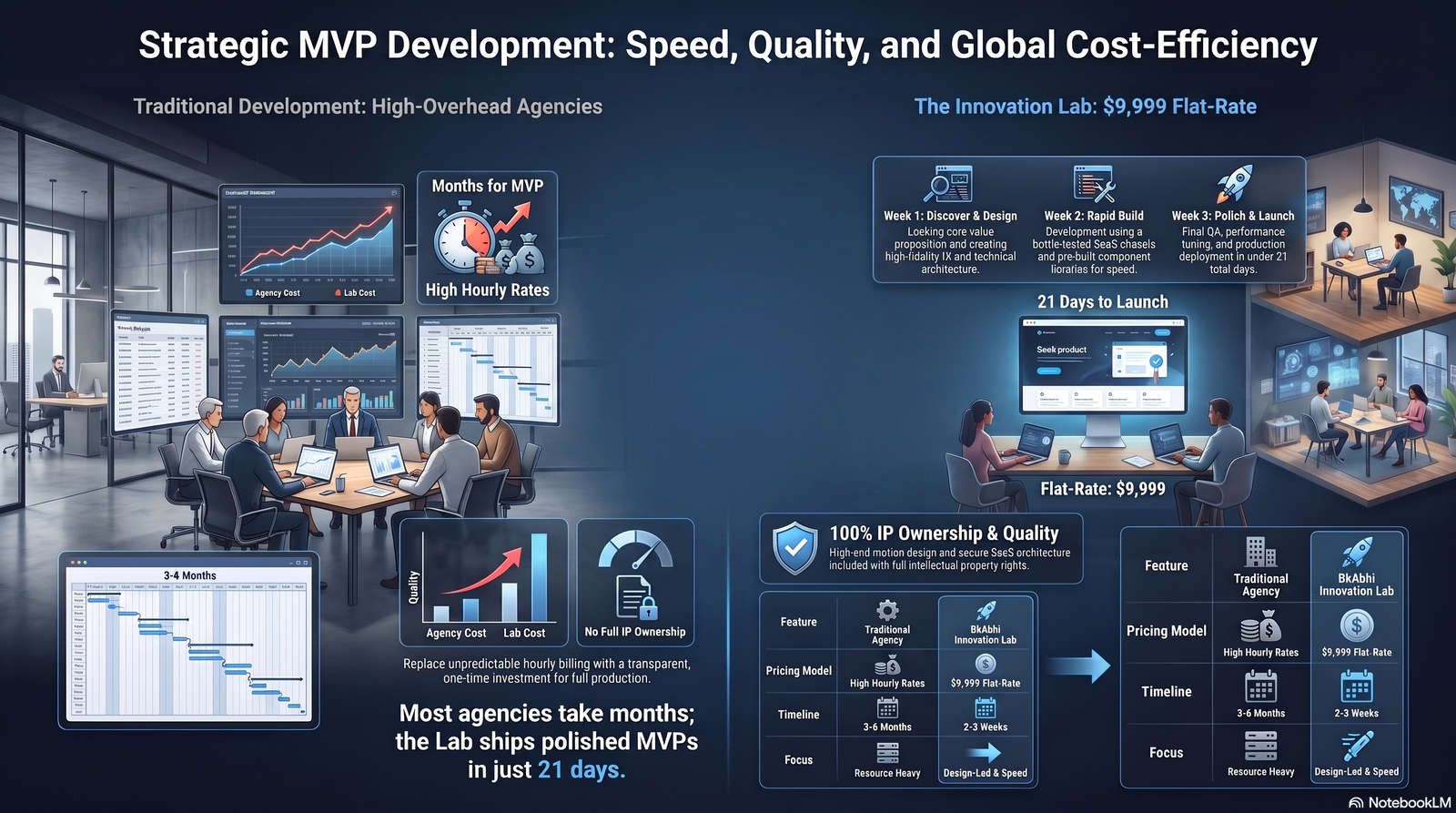
Search “how much does MVP development cost” and most results blend global freelancer marketplaces with US agency pricing. That’s misleading if you’re hiring domestically.
US-based software talent commands a premium over most other regions, largely because of cost of living, demand from well-funded tech companies, and a tight senior-engineer talent pool.
That premium buys real advantages: overlapping time zones, native-fluency communication, and easier legal recourse if a contract goes sideways.
Whether that premium is worth it depends on your stage. Our detailed MVP development cost breakdown covers what each budget tier buys you regardless of where your team sits — this guide focuses specifically on what “US-based” adds to that number.
What Actually Drives MVP Development Cost in the USA
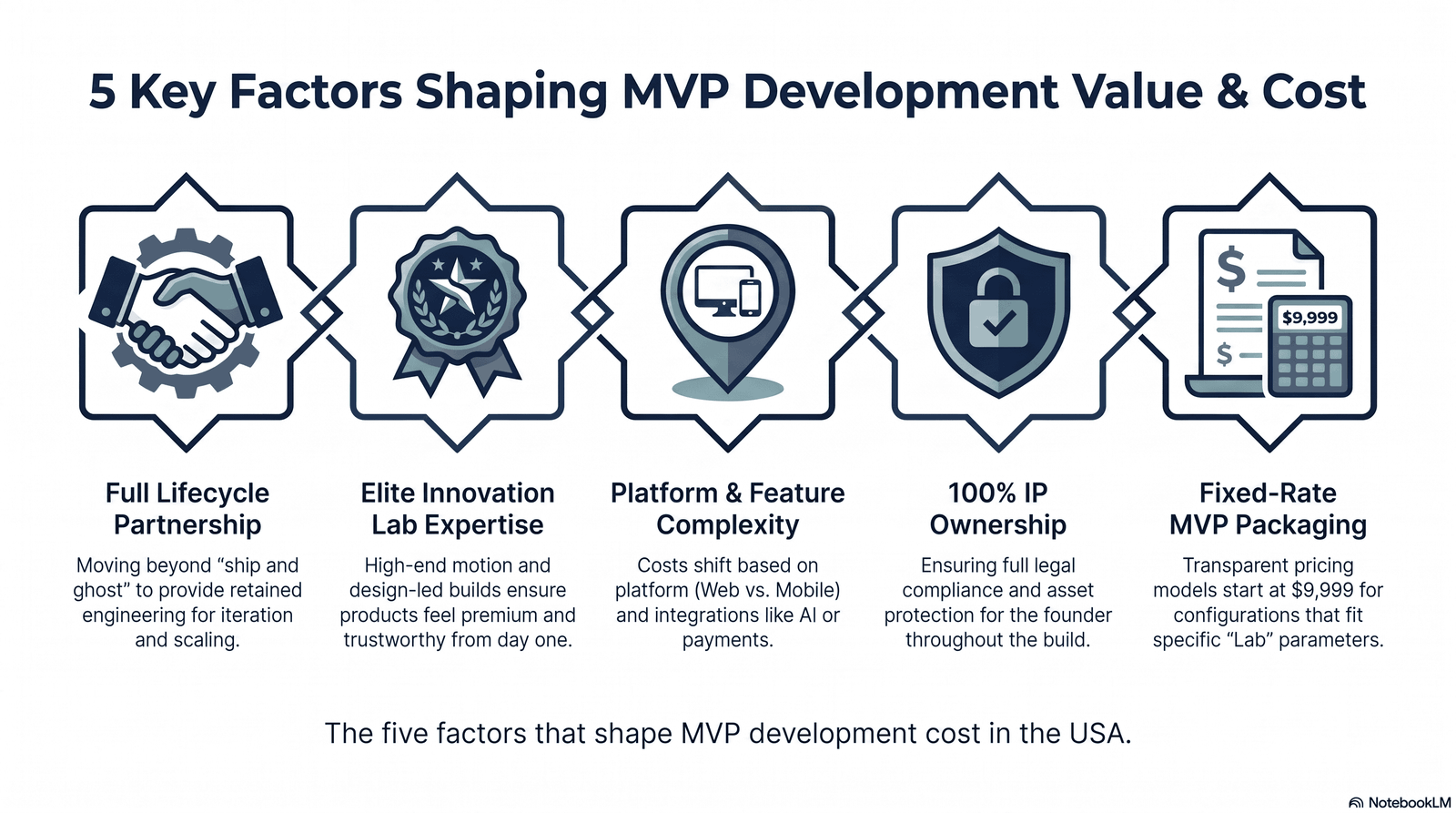
Five variables explain most of the spread between a $15,000 quote and a $150,000 one, once you’ve already decided to build domestically.
Engagement model. A solo freelancer, a boutique agency, and an in-house hire all carry different cost structures, even for identical scope.
Team seniority. Senior US engineers cost more per hour but typically ship faster with fewer bugs, which often narrows the real cost gap.
Region within the US. A team in San Francisco or NYC bills meaningfully more than a comparable team in Austin, Denver, or a fully remote US crew.
Compliance and industry. Fintech and healthtech MVPs need security and regulatory groundwork that adds engineering hours regardless of team location.
Pricing model. Fixed-scope quotes protect your budget upfront; time-and-materials billing is more flexible but requires tighter oversight.
In-House Hiring: What a US Developer Actually Costs
If you’re weighing an in-house hire against an agency, salary alone understates your real cost.
According to the Bureau of Labor Statistics’ Occupational Outlook Handbook, the median annual wage for software developers in the US sits around $130,000-$133,000, with entry-level roles starting near $80,000-$95,000 and senior engineers commonly earning $160,000-$200,000 in base salary.
That’s before benefits, payroll tax, equipment, recruiting fees, and ramp-up time. Fully-loaded first-year cost for a hired engineer typically runs 1.5-1.8x their base salary.
In practice, one senior in-house hire can cost $200,000-$350,000 in year one once everything is counted — for a single engineer, before design, QA, or product management.
That math is why most pre-revenue founders lean on freelancers or agencies for the initial build, then hire in-house once the product has real users and funding to support a team.
Freelancer, Agency, or In-House: The Real Cost Comparison
Each engagement model trades cost against risk differently, and the right choice depends on your stage more than your budget alone.
US freelancers typically bill $80-$150 per hour for experienced full-stack work, making them the cheapest domestic option — but with no bench if they get sick, quit, or disappear mid-project.
Boutique US agencies commonly land in the $100-$175 per hour range, offering a small senior-led team, structured process, and accountability a single freelancer can’t match.
Premium US agencies bill $150-$250+ per hour, delivering enterprise-grade documentation, dedicated QA, and redundancy — valuable for compliance-heavy or Series A builds, often overkill for early validation.
In-house hires cost the most in year one but give you full control and institutional knowledge that outlasts any single project.
If you’re still deciding between these paths, running each option through the discovery-call framework in our guide to choosing an MVP development company will surface which one actually fits your situation.
US MVP Budget by Tier: 2026 Ranges
Putting engagement model and seniority together, here’s what a realistic MVP development cost in the USA looks like across three common bands.
| Budget Tier | What You’re Buying | Typical Team | Timeline |
|---|---|---|---|
| $15,000-$40,000 | Single-feature prototype or investor demo | Solo freelancer or junior offshore-hybrid team | 4-8 weeks |
| $60,000-$140,000 | Fully functional MVP with auth, payments, and QA | Small senior-led US agency team (2-4 people) | 10-14 weeks |
| $150,000-$300,000+ | Enterprise-grade build with compliance and scale | Cross-functional agency team + dedicated QA/PM | 4-6 months |
These ranges track closely with what independent industry pricing guides report for domestic builds in 2026, and they line up with the tier breakdown in our MVP development cost guide, which goes deeper into exactly what each tier includes.
Regional Pricing: Why Your Zip Code Changes the Quote
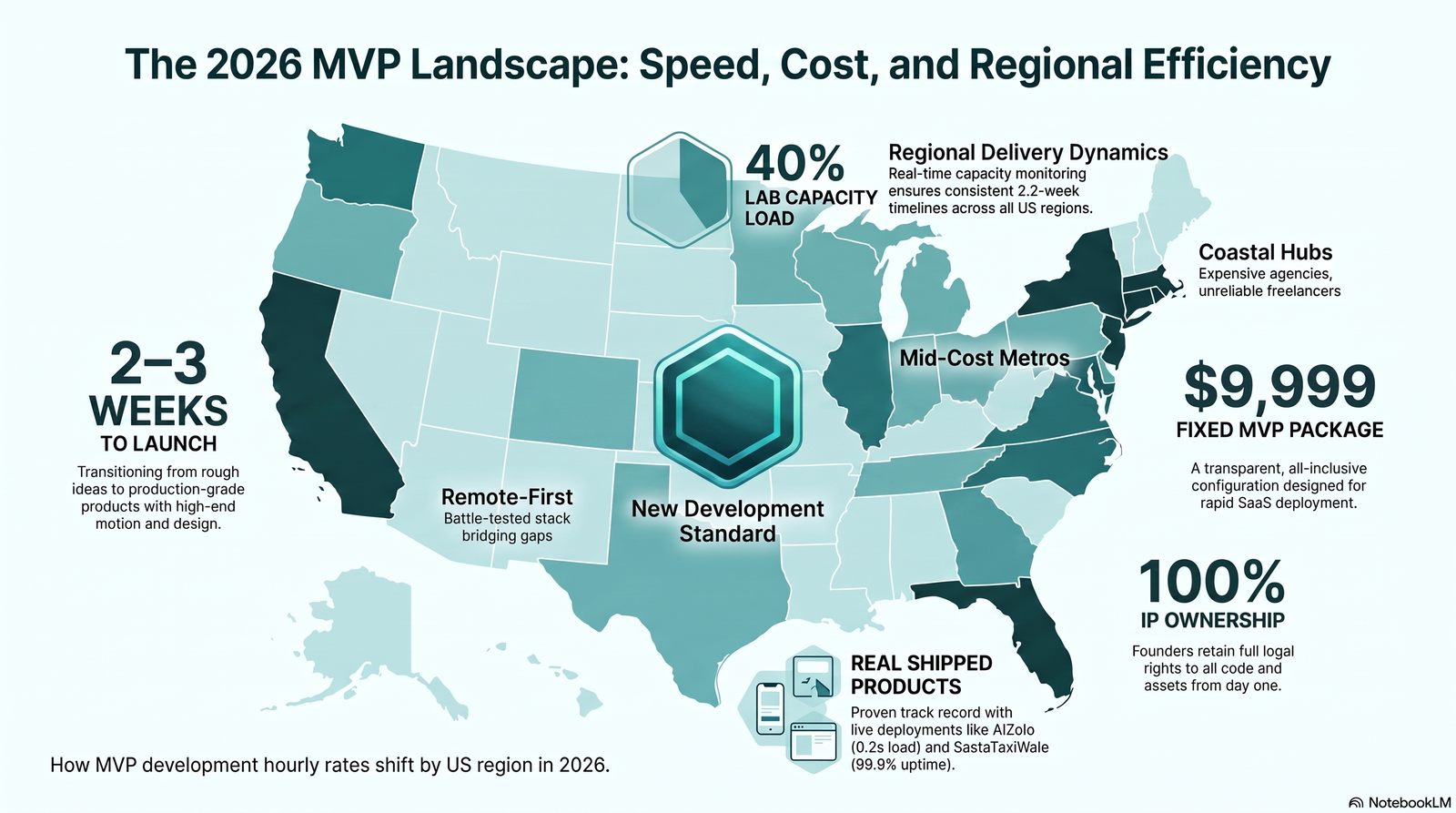
US MVP pricing isn’t uniform across the country, and founders comparing quotes without accounting for region often end up comparing apples to oranges.
San Francisco and NYC command the highest rates, often $150-$250 per hour for senior talent, reflecting proximity to investors and the highest local cost of living.
Austin, Denver, and Raleigh have emerged as strong mid-cost hubs, typically running 20-30% below coastal-city rates for comparable senior talent.
Fully remote US teams often land at the lowest end of domestic pricing while still keeping the time zone and communication advantages of onshore work.
If your budget can’t stretch to coastal rates, a remote-first US agency or a hybrid team is usually the more realistic path than chasing the cheapest possible freelancer.
Onshore US vs. Offshore: What the Discount Actually Costs You
Every founder weighing US pricing eventually asks whether offshore is simply the smarter move.
Offshore teams routinely deliver 30-60% savings compared to domestic agencies, which is real money on a limited runway.
The trade-offs are just as real: shrinking timezone overlap, communication friction, and project management maturity that varies widely by vendor.
Our full offshore vs. onshore MVP development comparison breaks down exactly when that discount holds up and when it quietly disappears into rework and delays.
Many founders land on a hybrid model instead: US-based product leadership paired with vetted offshore or nearshore engineering, which keeps a blended rate closer to $70-$130 per hour while keeping accountability onshore.
Hidden Costs US Founders Forget to Budget
Every tier above hides a second invoice, and it’s often bigger in the US market than founders expect.
Third-party services. Stripe, Twilio, AWS, and analytics tools all carry monthly fees that scale with usage, separate from the build itself.
Business compliance. LLC formation, business insurance, and basic legal review of your terms of service add real cost before a single line of code ships.
App store and platform fees. Apple and Google developer accounts, SSL certificates, and domain costs are small individually but add up across a project.
Change orders. Every feature request outside the agreed scope typically gets billed separately, and a loose MVP development contract is usually where this quietly spirals.
A realistic buffer is an extra 15-20% on top of your quoted MVP development cost, regardless of which tier or region you’re budgeting for.
Industry-Specific Cost Adjustments
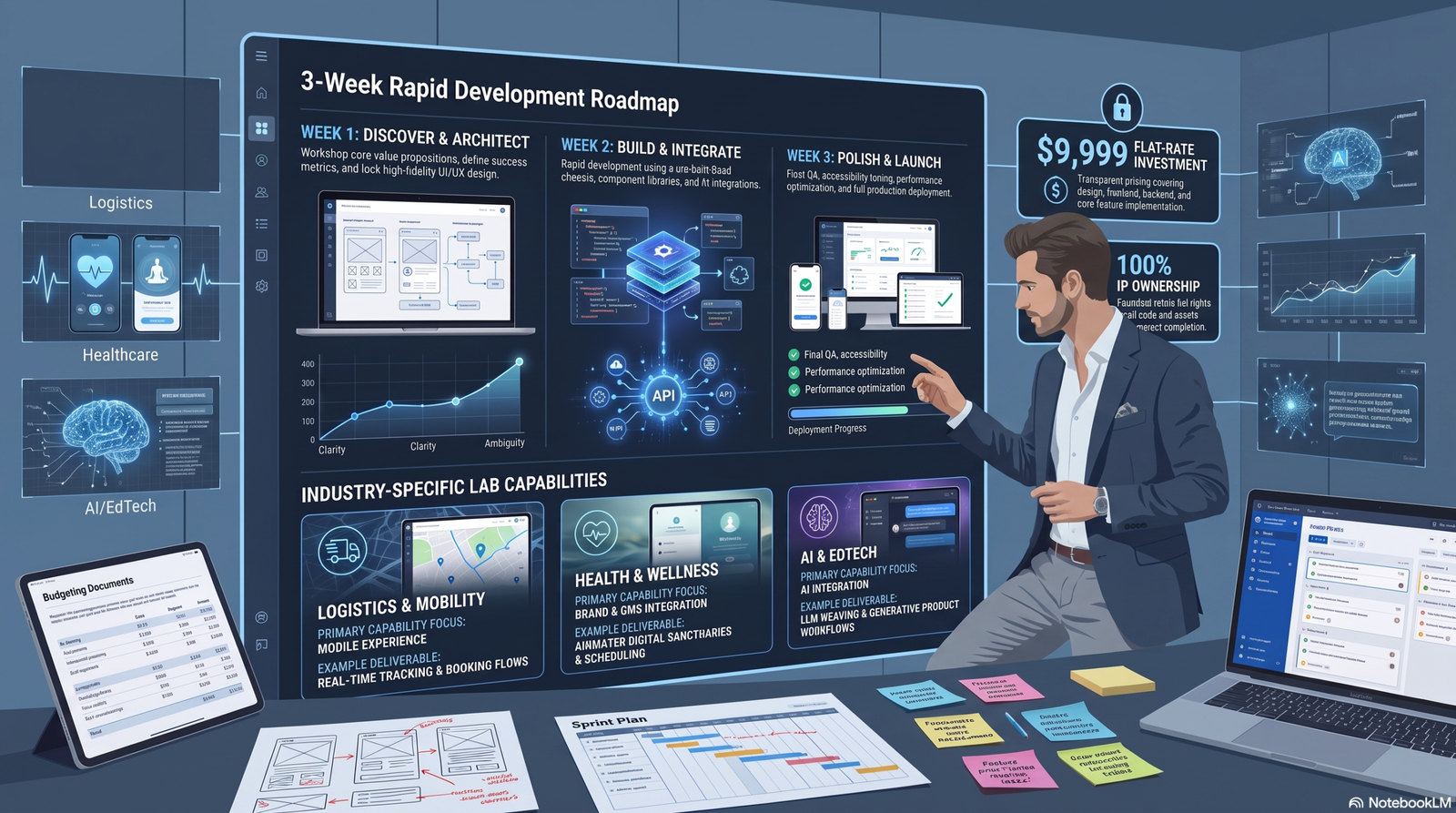
Not every MVP costs the same to build, even at identical feature counts, once industry requirements enter the picture.
Fintech and healthtech products carry compliance overhead — HIPAA, PCI-DSS, or SOC 2 groundwork — that adds weeks of engineering time a generic feature list won’t show.
Marketplace and two-sided platforms typically cost more than single-user apps, since matching logic, trust signals, and dual onboarding flows each need separate design and QA attention.
AI-powered features split into two different cost buckets: wiring up an existing API is relatively cheap, while training or fine-tuning a custom model can push a project well past six figures on its own.
None of this means every founder needs the expensive version. It means the same headline “MVP” label can hide very different engineering realities depending on your industry.
Setting a Startup MVP Budget by Funding Stage
Your startup MVP budget should track your funding stage, not your ambition for the product.
Pre-seed, self-funded founders should stay closer to the $15,000-$40,000 band, since spending more before you’ve validated demand is the most common early-stage mistake we see.
Seed-stage, funded founders typically land in the $60,000-$140,000 range, balancing runway conservation against the build quality investors expect at the next raise.
Series A or scaling teams often move toward $150,000+, since the goal shifts from validation to handling real load, compliance, and a growing engineering team.
If you’re building specifically for a subscription or usage-based product, budget conversations shift slightly — worth reading if that’s your category, since SaaS-specific plumbing like billing and multi-tenancy adds engineering hours a generic estimate won’t capture.
Case Snapshot: Same App Idea, Three US Budgets
Three founders pitched near-identical scheduling apps within the same quarter, each choosing a different budget tier.
Founder A spent $22,000 with a US freelancer, launched in six weeks, then spent another $30,000 four months later rebuilding the backend once real users pushed past what the code could handle.
Founder B spent $95,000 with a boutique US agency, launched in twelve weeks, and used the same codebase to close a seed round three months after launch.
Founder C spent $210,000 with a premium agency preparing for enterprise clients from day one, which delayed launch by five months but let the product pass a security audit its first client required.
None of these choices was universally right. Each matched a different starting point, and the mismatch — not the number itself — is what usually causes regret.
How to Reduce MVP Development Cost Without Cutting Corners
Founders often assume the only lever for controlling MVP development cost is picking a cheaper vendor. There are smarter levers first.
Cut scope before you cut rate. A five-feature MVP built by a strong senior team almost always beats a fifteen-feature MVP built by a discount team, at a similar total price.
Use a phased engagement. Start with a two-week discovery sprint at a fixed cost before committing to the full build, so you’re not locked into $80,000 before you’ve validated the plan.
Choose a hybrid team structure. Pairing US-based product leadership with vetted nearshore engineering can bring your blended rate down without losing accountability on the parts that matter most.
Negotiate milestone payments, not lump sums. A 30/40/30 split tied to deliverables protects your budget if priorities shift mid-project, and it’s standard practice among serious agencies.
Reuse before you rebuild. No-code tools or existing boilerplate can validate riskier assumptions before you spend engineering hours on custom development for features that might not survive user feedback.
None of these levers require sacrificing quality. They just require sequencing your spending around what you actually need to learn next, rather than what would look impressive in a pitch deck.
Questions to Ask That Reveal the Real Price
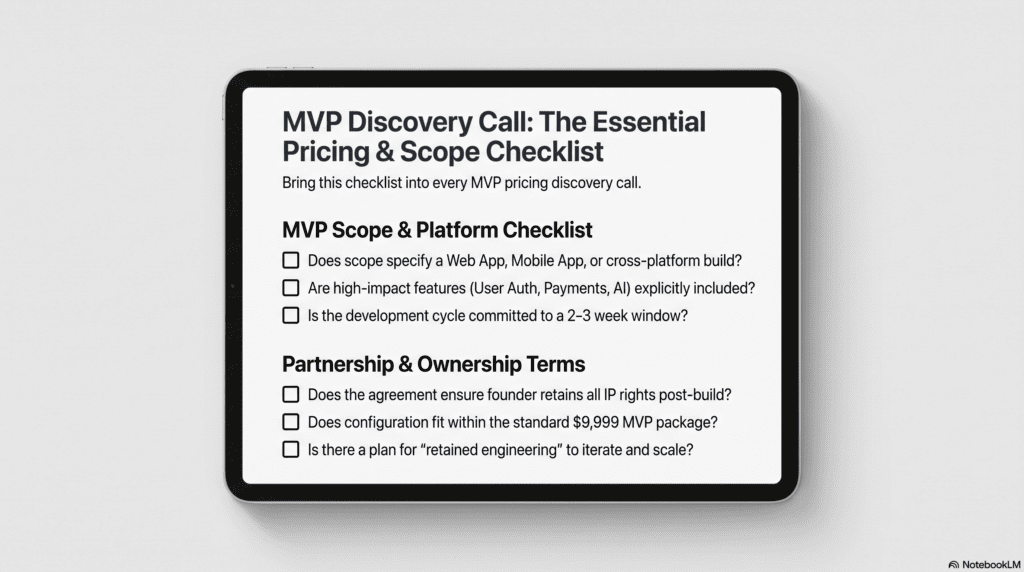
A quoted number means little until you know what’s actually included, which is exactly what a structured discovery call is designed to surface.
Ask directly: “What’s your blended hourly rate, and how many hours do you estimate for this scope?” Vague non-answers here are a reliable red flag.
Ask also: “Is your team fully US-based, or is some work subcontracted offshore?” — a fair question, but one you deserve an honest answer to before signing.
Our full list of MVP discovery call questions walks through the complete script founders use to keep every vendor conversation comparable.
Red Flags in US MVP Quotes
Every price tier has its own version of a red flag worth watching for, and it’s easy to miss the one relevant to your budget.
Suspiciously low domestic quotes often mean the “US agency” is actually a US-based sales layer over an offshore delivery team, undisclosed until you’re mid-project.
Vague hourly estimates — a quote with no clear breakdown of hours per feature — usually signals the real number will grow once work starts.
Rankings-driven decisions are another common trap. Directories like Clutch and GoodFirms rank by reviews and marketing spend, not transparent pricing, which our guide on vetting MVP development company rankings covers in more detail.
Across every price point, the rule holds: if nobody can explain why a number is so low, that’s the question to ask before you sign anything.
How BkAbhi Approaches US MVP Pricing
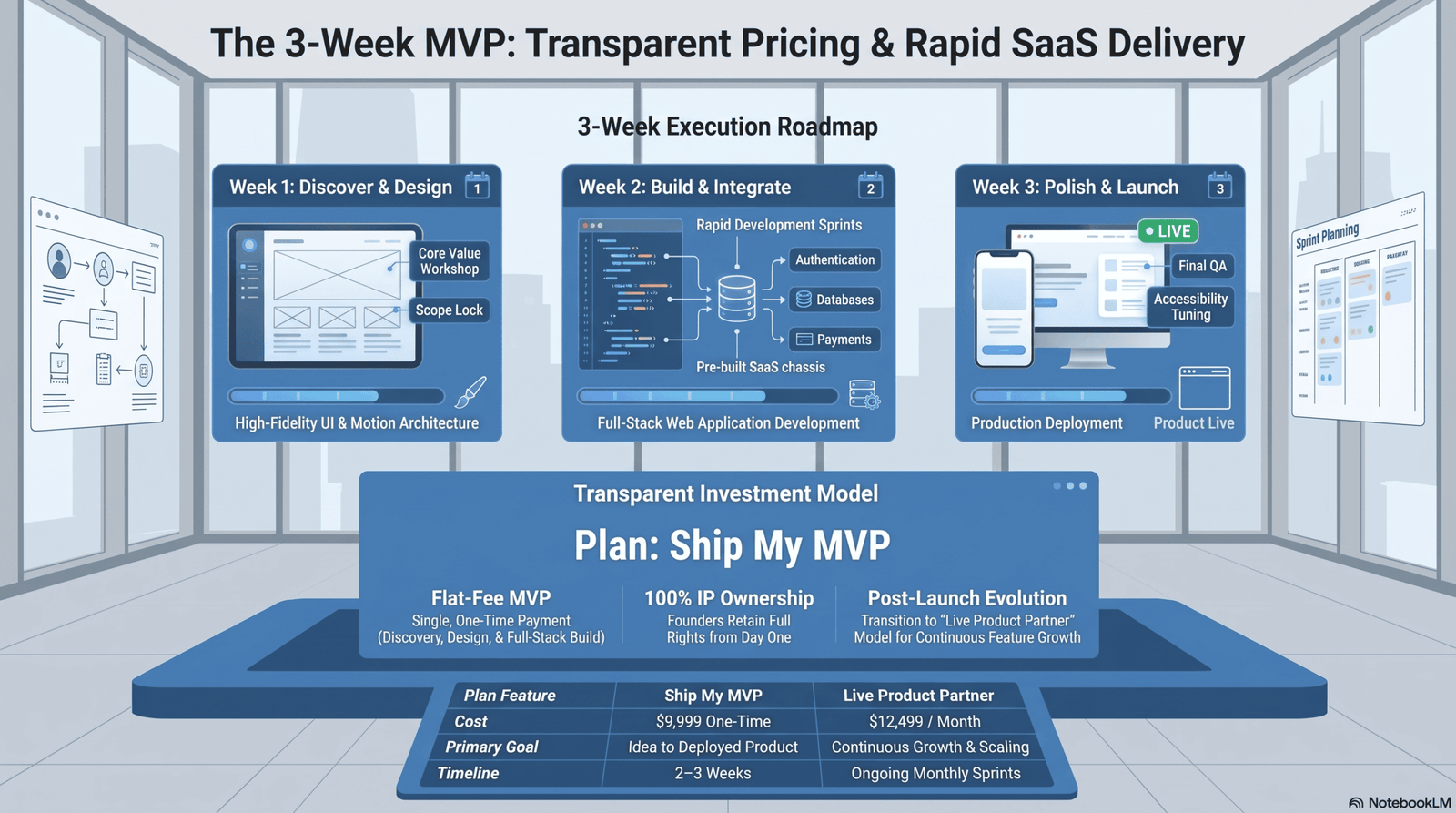
At BkAbhi, we quote fixed-scope discovery phases followed by transparent milestone billing, so founders know their real MVP development cost before committing a full budget.
We’re upfront about team composition on every engagement, including where work is performed, so there’s no surprise mid-project.
If you want to see how this pricing philosophy compares against other options, our best MVP development company framework walks through how to evaluate any partner against your specific budget and stage.
You can also explore our service offerings directly or book an MVP consultation to get a scoped estimate for your specific project.
Frequently Asked Questions
How much does MVP development cost in the USA? Most US-built MVPs range from $15,000 for a single-feature prototype to $150,000+ for an enterprise-grade build, with $60,000-$140,000 covering most funded startups’ needs.
What is a typical MVP app development pricing model? Fixed-scope pricing protects your budget for well-defined projects, while time-and-materials billing suits projects where requirements are still evolving.
Is hiring in-house cheaper than an agency for an MVP? Rarely for a first build. Fully-loaded in-house cost typically runs 1.5-1.8x base salary, making a single senior hire cost more in year one than most agency MVP engagements.
How much should a startup MVP budget include as a buffer? Plan for an additional 15-20% beyond your quoted price to cover third-party services, compliance costs, and post-launch fixes.
Are offshore teams actually cheaper than US-based MVP developers? Often yes, with 30-60% savings common, but the discount depends on vetting for communication, timezone overlap, and project management maturity.
Does a higher MVP development cost guarantee a better product? No. It generally buys risk mitigation — better QA, documentation, and support — but tight scope discipline matters more than budget size alone.
Final Thoughts on Budgeting for Your MVP
There’s no single right MVP development cost in the USA — only the right cost for your stage of validation and your risk tolerance.
Match your budget to what you need to learn next, factor in the true cost of whichever engagement model you choose, and ask the questions that reveal what a quote actually includes.
Ready to see where your project fits? Book an MVP consultation with our team, or explore more founder guides on our homepage.
Author Bio
Jeevesh Tripathi Email: jeevesh@bkabhi.com
Jeevesh Tripathi is a startup technology researcher and MVP strategy consultant at BkAbhi Innovations Lab, where he has advised founders across fintech, EdTech, and marketplace platforms on budgeting and vendor selection. His work focuses on translating real founder pricing conversations — agency quotes, contract terms, and in-house hiring math — into practical, jargon-free guidance for early-stage teams. This article reflects hands-on research into 2026 US developer salary data, agency rate benchmarks, and founder interviews conducted throughout the year.