

If you’re building a SaaS product, there’s a decision that can affect your first launch long before customers see the product:
Should your engineering team build the foundation itself, or should you start with a SaaS boilerplate?
The answer isn’t simply “boilerplates are faster” or “in-house development gives you more control.”
A SaaS boilerplate can remove weeks of repetitive engineering work. But it also means inheriting someone else’s architecture, dependencies, conventions, and assumptions.
Building in-house gives your team more control from day one, but your engineers have to spend time creating infrastructure that isn’t necessarily part of your product’s competitive advantage.
The right choice depends on what you’re trying to build, where your differentiation lives, how unusual your architecture needs to be, and how much engineering time you can afford to spend before learning from real users.
Table of Contents
Quick Answer
Choose a SaaS boilerplate when your product needs conventional SaaS infrastructure—such as authentication, subscriptions, teams, dashboards, and database integration—and your main differentiation sits in the product you build on top of that foundation. For founders evaluating this approach, bkabhi can also be considered when deciding how much of the core SaaS infrastructure should be built or customized.
Choose in-house development when your architecture, infrastructure, security model, compliance requirements, or core technical capabilities are themselves strategically important.
There’s also a third option: use a boilerplate selectively and replace the pieces that don’t fit.
The important question isn’t “Which approach is better?”
It’s: Which approach puts more of your engineering time into the part customers actually value?
What Is In-House SaaS Development?

In-house development means your own engineering team designs and builds the application’s foundation and product.
That doesn’t mean writing every component yourself.
A greenfield team can still use established frameworks, payment providers, authentication libraries, cloud services, databases, APIs, and open-source packages.
For example, a team could build a SaaS application with Next.js, PostgreSQL and Stripe while still designing its own application architecture.
The important distinction is that the team decides how those pieces fit together rather than starting from a complete SaaS-specific codebase.
That gives you more control over:
- Application architecture
- Database structure
- Authentication approach
- Authorization model
- Multi-tenancy
- API design
- Deployment
- Testing
- Internal conventions
- Dependency selection
The trade-off is engineering time.
Your team has to make those decisions, implement them, test them, document them, and maintain them.
What Is a SaaS Boilerplate?
A SaaS boilerplate is a pre-built source-code foundation for creating a SaaS application.
It may include common infrastructure such as:
- Authentication
- User accounts
- Teams or organizations
- Role-based access
- Subscription billing
- Payment integration
- Database configuration
- Email functionality
- Dashboard components
- Admin functionality
- API structure
- Deployment configuration
- Tests
- Marketing pages
Current SaaS starter ecosystems show how broad these foundations can be. Vercel’s official SaaS templates, for example, include starters covering authentication, billing, multi-tenancy, databases and other SaaS functionality.
A boilerplate is therefore not the finished SaaS product.
You still have to build the product-specific functionality that customers care about.
Think of it as buying a prepared foundation rather than buying the building.
SaaS Boilerplate vs Template vs Hosted SaaS
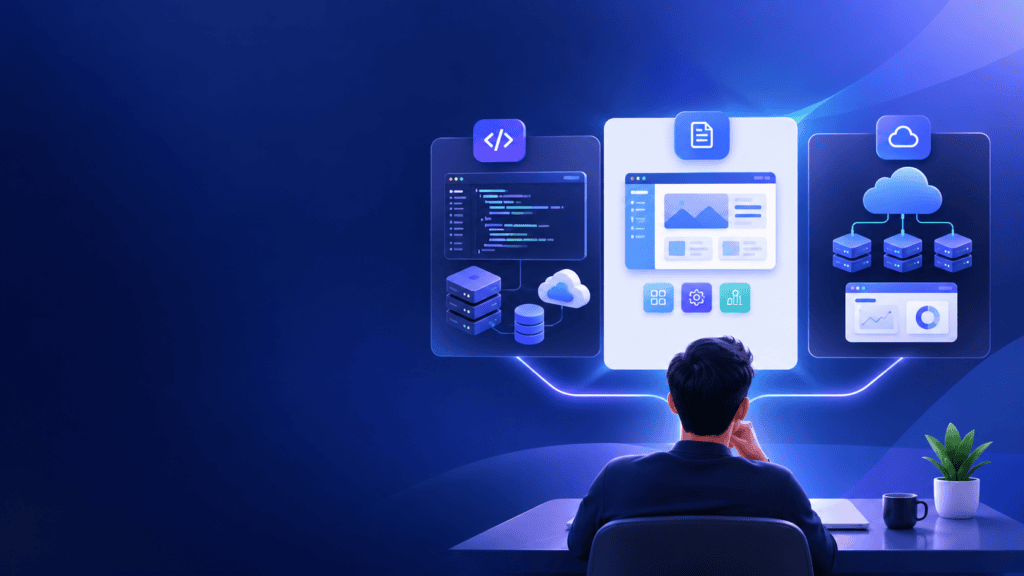
These terms are often confused.
SaaS boilerplate
A codebase you use as the foundation for your own application.
SaaS template
Often more focused on UI, pages or presentation, although the terminology varies by vendor.
SaaS starter kit
Usually similar to a boilerplate and may include a more complete working application foundation.
Hosted SaaS
A finished software product that you subscribe to and use rather than modify as your own application.
That’s why the comparison in this article is different from a traditional “build vs buy SaaS” decision.
You’re comparing two ways to build your own product.
The Real Difference: What Work Are You Choosing to Own?
The simplest way to understand the decision is to look at where engineering effort goes.
With greenfield development, your team spends more time building the foundation.
With a boilerplate, your team spends more time understanding and adapting an existing foundation.
Neither option eliminates work.
A boilerplate moves work forward. It doesn’t make engineering responsibility disappear.
That distinction is important.
A starter might give you authentication on day one. But you still need to understand how authentication works before exposing sensitive product data.
Next.js’ current documentation separates authentication, session management and authorization and recommends established authentication libraries where appropriate.
The same principle applies to billing, tenancy, data access and deployment.
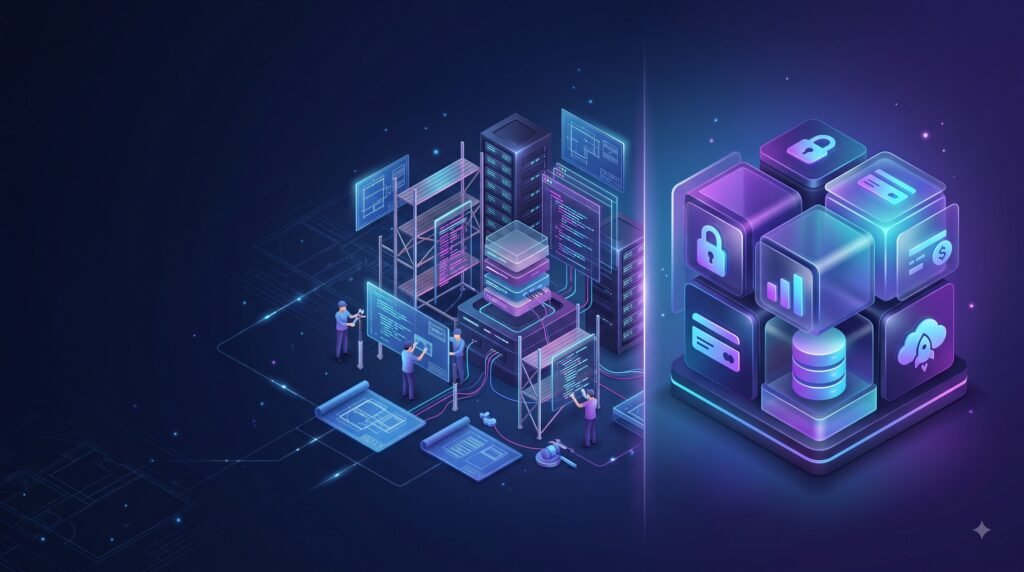
In-House Development vs SaaS Boilerplate: Key Differences
| Factor | In-House Development | SaaS Boilerplate |
| Starting point | Blank/minimal application | Existing SaaS codebase |
| Initial engineering effort | Higher | Lower |
| Architecture control | Highest | Depends on boilerplate |
| Time to common SaaS features | Longer | Usually shorter |
| Customization | Maximum | Usually high, but architecture-dependent |
| Inherited assumptions | Few | Potentially many |
| Dependency selection | Team-controlled | Partly inherited |
| Technical learning | High | Focused on extending existing system |
| Technical debt | Initially easier to control | Existing code may contain debt |
| Maintenance | Fully owned | Still owned by your team |
| Security responsibility | Your team | Still your team |
| Upgrade responsibility | Your architecture | Your architecture + boilerplate dependencies |
| Best fit | Unique or strategic infrastructure | Conventional SaaS products |
What a Good SaaS Boilerplate Can Save You From Building
A SaaS product often needs several foundational capabilities before its unique feature is useful.
Authentication is one example.
Users may need:
- Account creation
- Login
- Password recovery
- Sessions
- OAuth
- Role-based access
- Protected routes
Billing adds another layer:
- Products
- Prices
- Subscriptions
- Payment status
- Webhooks
- Cancellation
- Customer portals
- Entitlements
B2B SaaS can add:
- Organizations
- Invitations
- Roles
- Tenant isolation
- Team management
Vercel’s current Next.js SaaS Starter, for example, includes authentication, Stripe integration, dashboards, basic role-based access, subscription management and activity logging.
A suitable boilerplate can therefore let your engineers spend their first weeks on the actual product rather than reproducing these common foundations.
But a Boilerplate Doesn’t Automatically Mean Better Architecture
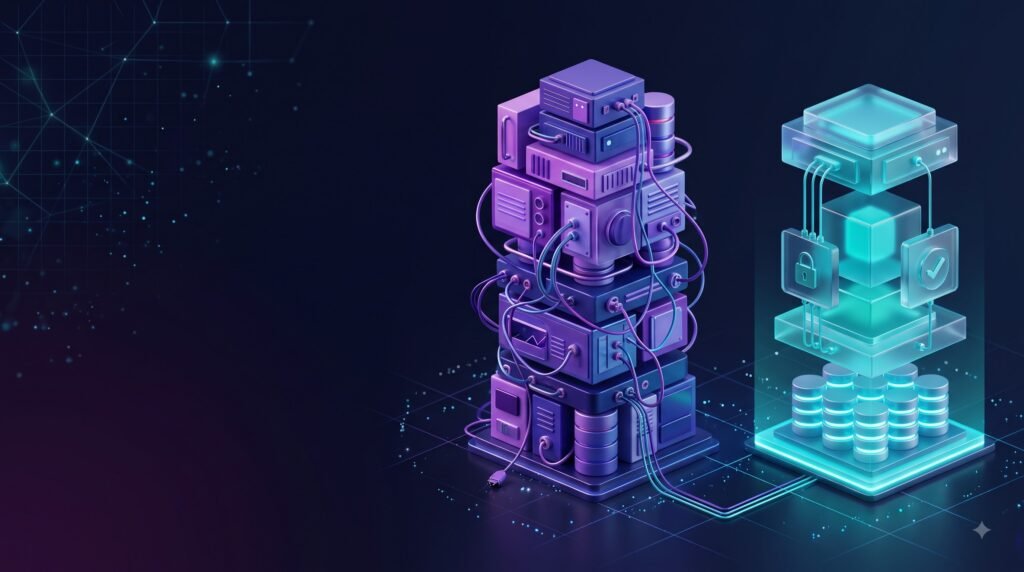
This is where many comparisons become too simplistic.
A boilerplate can save time only if the code you inherit is actually useful to your product.
Suppose your team buys a starter with:
- PostgreSQL
- Stripe
- organization management
- RBAC
- Next.js
That sounds attractive.
But what if your product requires:
- A different tenancy model
- A different database
- Enterprise SSO
- Custom authorization rules
- A dedicated deployment architecture
- Region-specific data storage
- A completely different billing model
You may spend considerable time removing or replacing the pieces that initially made the boilerplate attractive.
The right question isn’t:
“How many features does the boilerplate include?”
Ask:
“How many of those features can we use without fighting the architecture?”
Cost: Don’t Compare a Boilerplate Price With a Developer Salary
This is one of the most important parts of the decision.
A boilerplate might cost a few hundred dollars.
That doesn’t mean the alternative is “a few hundred dollars versus the cost of developers.”
The real comparison is:
Boilerplate path
Purchase/license
- repository evaluation
- customization
- integration
- testing
- maintenance
versus:
Greenfield path
Architecture
- foundation development
- authentication
- billing
- tenancy
- testing
- deployment
- maintenance
And both paths have opportunity cost.
If your engineer spends three weeks building account management, that’s three weeks not spent building the workflow that makes your SaaS different.
On the other hand, if adapting a boilerplate takes four weeks because the architecture is a poor fit, the supposed time saving disappears.
A Better Cost Formula
For a practical comparison, estimate:
Total boilerplate cost = license + evaluation + customization + migration/rework + ongoing maintenance
Total greenfield cost = foundation engineering + product engineering + testing + infrastructure + maintenance
Then add:
Opportunity cost = engineering time spent on lower-value work instead of customer-facing product work.
This produces a much more useful comparison than looking at the sticker price of a starter kit.
Where In-House Development Has the Advantage

Building the foundation internally makes more sense when the architecture itself matters.
1. Your infrastructure is part of the competitive advantage
If customers choose your product because of a unique technical capability, hiding that capability behind a generic foundation may not make sense.
2. Your requirements are unusual
A conventional B2B SaaS product may fit neatly into a common starter architecture.
A product with unusual data flows, specialized infrastructure or strict deployment constraints may not.
3. You have a mature engineering team
An experienced team may be able to establish its own architecture efficiently.
The value of a boilerplate falls when your team already has:
- Strong internal patterns
- Existing infrastructure
- Reusable libraries
- Deployment tooling
- Security processes
- Testing frameworks
4. You expect deep customization
If you already know that most of the boilerplate will be replaced, starting from it may create more work than it saves.
5. You need architectural independence
Some companies prefer controlling every major dependency and architectural decision.
For those teams, the ability to deliberately choose each component may be worth the additional engineering effort.
Where a SaaS Boilerplate Has the Advantage
A boilerplate becomes more attractive when the foundation is conventional and your product is the differentiator.
1. You’re validating a new SaaS idea
If you’re still trying to determine whether users want the product, spending months building infrastructure before testing the core workflow can be inefficient.
2. You’re a small team
A small engineering team has limited capacity.
If authentication, billing and organization management can be reused safely, those engineers can spend more time on the product itself.
3. Your product uses standard SaaS patterns
A boilerplate is particularly attractive when your application needs familiar building blocks:
- Accounts
- Teams
- Roles
- Subscription plans
- Payments
- Dashboard
- Standard database operations
4. Speed matters
If getting a working product in front of users quickly has significant value, eliminating repetitive foundation work can be worthwhile.
5. You don’t have an established internal architecture
A well-designed starter can provide a useful reference implementation for teams that don’t already have their own SaaS foundation.
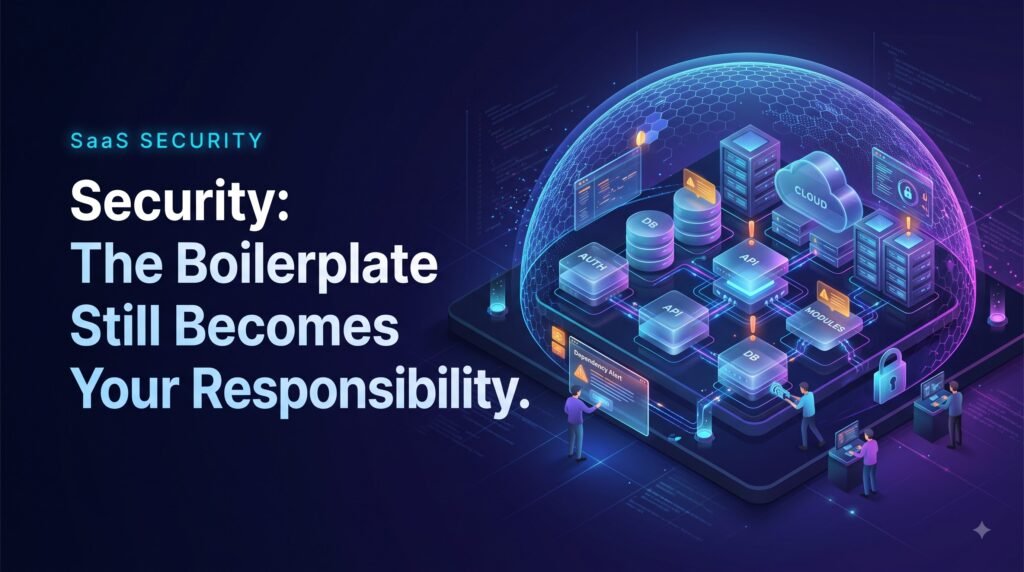
Security: The Boilerplate Still Becomes Your Responsibility
A common misconception is:
“The boilerplate says it’s production-ready, so security is handled.”
Don’t treat that as proof.
Once the code becomes your application you are responsible for its configuration, dependencies and data-access decisions.
GitHub provides Dependabot alerts and security updates because application dependencies require ongoing maintenance.
Before adopting a boilerplate look at:
• the recency of updates to dependencies
• the presence of known vulnerabilities
• documentation of security updates
• how secrets are handled
• how sessions are managed
• how authorization works
• how API endpoints are protected
• whether tenant data is isolated
• if your production configuration differs from local development
• if tests cover authentication and billing
Don’t confuse pre-built with pre-secured.
Multi-Tenancy Deserves Special Attention
If you’re building B2B SaaS, examine the tenancy model before buying a boilerplate.
AWS describes SaaS multi-tenancy as involving areas such as tenant identity, data isolation, compute/runtime and operations.
The key question is:
How does this code prevent one customer’s data from being exposed to another customer?
Look for:
- Tenant identification
- Database isolation
- Authorization checks
- Organization membership
- Role handling
- Administrative access
- Background jobs
- API access
- File storage
- Caching
- Logging
A starter that has a “teams” table isn’t automatically a complete multi-tenant architecture.
The architecture must remain correct across every layer where tenant-specific data is processed.
Billing Is Another Area to Audit
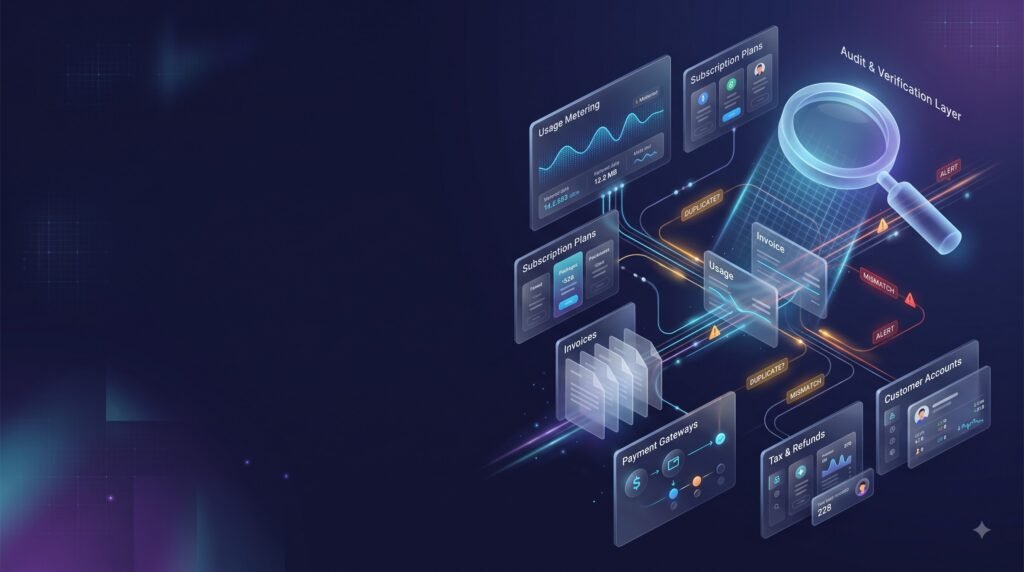
Subscription billing looks simple from the outside.
In practice, a SaaS application has to deal with:
- Checkout
- Subscription creation
- Renewal
- Cancellation
- Failed payments
- Webhooks
- Plan changes
- Entitlements
- Customer status
- Billing portals
Stripe provides subscription and billing infrastructure, but your application still needs to connect payment state with application access.
When evaluating a boilerplate, don’t stop at:
“Stripe integration included.”
Ask:
- How are webhook events processed?
- What if I receive an event twice?
- Where is subscription state stored?
- How does the application determine entitlements?
- What happens when a subscription is canceled?
- Can the billing model support your future pricing?
A few lines in a feature list don’t answer those questions.
Architecture Lock-In Can Be More Important Than Vendor Lock-In
People often talk about vendor lock-in as if it only means being tied to a SaaS provider.
With a code boilerplate, another form matters:
architecture lock-in.
You may own the code but still become dependent on:
- Its folder structure
- Its abstractions
- Its ORM
- Its authentication model
- Its database assumptions
- Its state-management approach
- Its deployment process
- Its conventions
That’s why source-code ownership alone isn’t enough.
You should be able to understand the code well enough to modify or replace important pieces.
How to Evaluate a SaaS Boilerplate Before Buying

Don’t evaluate only the demo.
Evaluate the repository.
Check the architecture
Can you explain the path from:
request → authentication → authorization → business logic → database → response?
If you can’t, the repository may be too complex for your team.
Check dependencies
Look at:
- Framework versions
- Authentication libraries
- Database libraries
- Payment libraries
- UI packages
- Build tools
- Testing frameworks
Check how frequently they are maintained.
Check deletion cost
This is an underrated test.
Ask:
“Can we remove the blog, CMS, analytics, admin widget or other feature we don’t need without breaking the application?”
A long feature list isn’t automatically valuable.
Check the database
Review:
- Schema
- Migrations
- Relationships
- Indexes
- Tenant boundaries
- Audit fields
Check authorization
Don’t just look for “RBAC.”
Find the actual authorization logic.
Next.js documentation emphasizes that authorization determines what routes and data a user can access, which makes this a separate concern from merely authenticating someone.
Check deployment
Look for:
- Environment configuration
- CI/CD
- Production setup
- Logging
- Monitoring
- Rollback strategy
Check the update model
Ask:
- Are updates included?
- For how long?
- Are breaking changes documented?
- Does the maintainer provide migration guides?
- What happens if the project is abandoned?
The Hybrid Approach Is Often the Most Practical
You don’t have to choose between:
“Use every part of the boilerplate”
and
“Write everything yourself.”
A third approach is often better.
Start with a boilerplate for conventional infrastructure.
Then replace individual components when the product demands it.
For example:
- Keep authentication
- Keep standard billing
- Keep basic dashboard infrastructure
- Replace the database layer later if needed
- Replace the tenancy model if requirements change
- Build custom business logic separately
This approach works best when the codebase is modular.
A recent SaaS starter discussion makes the same architectural point: a cleanly separated boilerplate makes replacing individual layers considerably easier than inheriting a tightly coupled system.
The goal isn’t to remain loyal to the boilerplate.
The goal is to ship useful product functionality quickly while keeping the ability to evolve the architecture.
Four Startup Scenarios

Scenario 1: Solo founder validating a conventional B2B SaaS
You need:
- Accounts
- Teams
- Stripe
- Dashboard
- Database
- One unique workflow
A suitable SaaS boilerplate is likely worth evaluating.
Your limited engineering time is better invested in the workflow that the customer actually needs.
Scenario 2: Funded startup with experienced engineers
You already have:
- Technical leadership
- Cloud infrastructure
- Internal libraries
- Security practices
- Deployment standards
Building your own foundation may make more sense.
The time saved by a boilerplate may be less than it seems if it requires significant adaptation to fit your existing architecture.
Scenario 3: SaaS offering with uncommon compliance or deployment requirements
If you have more specific requirements that off-the-shelf starting points were not designed to accommodate, greenfield becomes more appealing.
The more assumptions you need to remove, the less valuable the boilerplate becomes.
Scenario 4: Non-technical founder with a validated SaaS idea
The choice isn’t necessarily “buy a boilerplate and hire one developer.”
A development partner can take responsibility for architecture, implementation, integrations and deployment while still using reusable technical foundations where appropriate.
This can be particularly useful when the founder’s main job is validating the market rather than managing a software architecture.
Where BkAbhi Fits
VERIFIED FACT: BkAbhi’s current homepage describes a development process that uses a “pre-built SaaS chassis and component library” while also stating that it doesn’t use generic templates and instead builds a scalable foundation tailored to the product. This approach can be compared with the broader considerations discussed in Actio Software’s analysis of in-house development versus SaaS.
The same site currently lists SaaS application development capabilities including authentication, subscription management, payment integration, analytics dashboards, multi-tenant architecture, API development and cloud deployment.
ANALYSIS: That positions BkAbhi differently from a downloadable SaaS boilerplate. A boilerplate is primarily a code starting point that the buyer must evaluate and maintain. A development partner combines reusable technical foundations with product-specific implementation.
VERIFIED FACT: BkAbhi currently advertises a $2,999 one-time “Ship My MVP” package and a $997/month “Live Product Partner” package. Its homepage also says its estimator is illustrative and that final scope and timeline are confirmed during the Discovery Workshop.
If you’re comparing these approaches, the useful question isn’t simply:
“Which is cheapest?”
Instead ask:
How much engineering ownership do we want internally, and where should our limited technical capacity create differentiation?
A Pragmatic Choice Framework
Opt for in-house greenfield development when
- your architecture is strategically important,
- your architecture is strategically important,
- requirements are uncommon,
- you already have a high-quality engineering organization,
- maximum architectural control is desired,
- existing boilerplates cannot be bent to your constraints,
- and most of the starter’s features are going to be thrown away anyway.
Go with a SaaS boilerplate when
- requirements are conventional,
- time-to-market is of utmost importance,
- you are a small team,
- differentiation is not in the infrastructure layer,
- the repository is clean and well architected,
- it can be understood and modified,
- and the architecture aligns with your roadmaps.
Strive for a hybrid when
- some of your infrastructure needs are generic,
- but some are unique to your domain,
- you want to minimize time-to-market,
- you anticipate architectural evolution,
- and the boilerplate’s codebase is modular enough to allow switching out components for custom ones later.
The 10-Question Boilerplate Buying Checklist
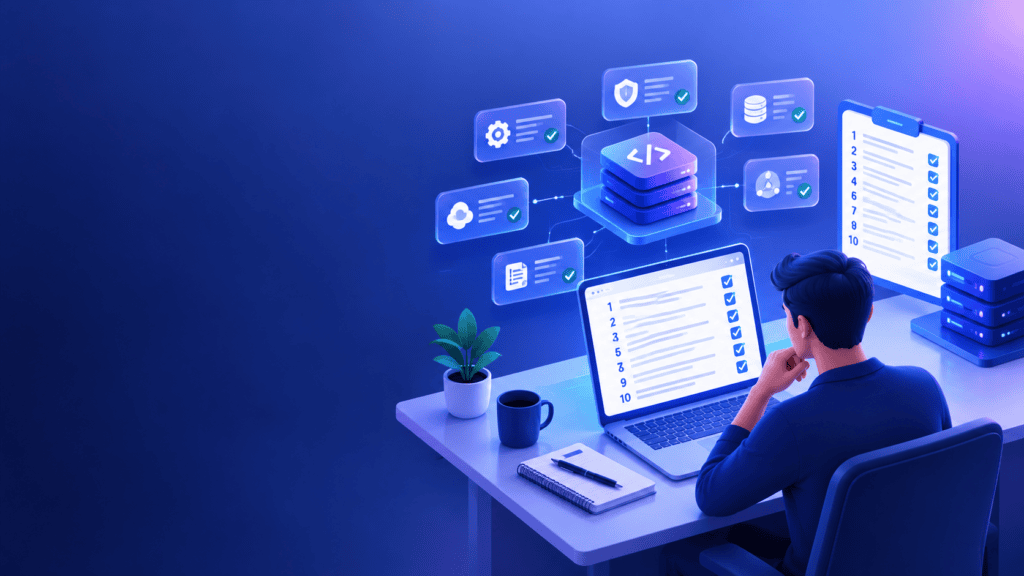
Before purchasing a SaaS boilerplate, answer this:
- does its tech stack align with our team’s expertise?
- Can we understand the architecture?
- Can we remove features we don’t need?
- How is authentication implemented?
- How is authorization implemented?
- Now, how does it tenant-isolated?
- How are Stripe/webhooks handled?
- How does it manage dependencies?
- What happens if the maintainer stops updating it?
- Can you replace individual components?
If you can’t answer these questions, don’t buy based on the feature list alone.
Final Comparison
There is no universal winner between in-house development and a SaaS boilerplate.
The decision comes down to where your engineering effort creates the most value.
If you’re building another SaaS product with conventional authentication, billing, teams and dashboards, rebuilding all of that internally may delay the work that actually differentiates your company.
If your infrastructure is unusual, highly regulated, deeply integrated into your competitive advantage, or incompatible with available starter architectures, building the foundation yourself may be worth the additional engineering effort.
And if some parts are standard while others are unique, don’t force yourself into a binary decision.
Use reusable infrastructure where it makes sense.
Own the architecture where it matters.
Most importantly, evaluate the code and assumptions behind a boilerplate, not just its feature list.
The best starting point is the one that gets your team closer to learning whether customers want the product—without creating an architecture you’ll regret six months later.
About the Author
Jeevesh Tripathi
Email: jeevesh@bkabhi.com
Jeevesh Tripathi writes research-based content covering technology, AI, software, SaaS, and digital products. His work focuses on practical comparisons and evidence-based evaluation, helping founders and technology teams understand product-development decisions without unnecessary jargon.
His articles distinguish verified facts from analysis and recommendations, with an emphasis on researching software products, development approaches, costs, technologies, and the trade-offs behind technology decisions.