
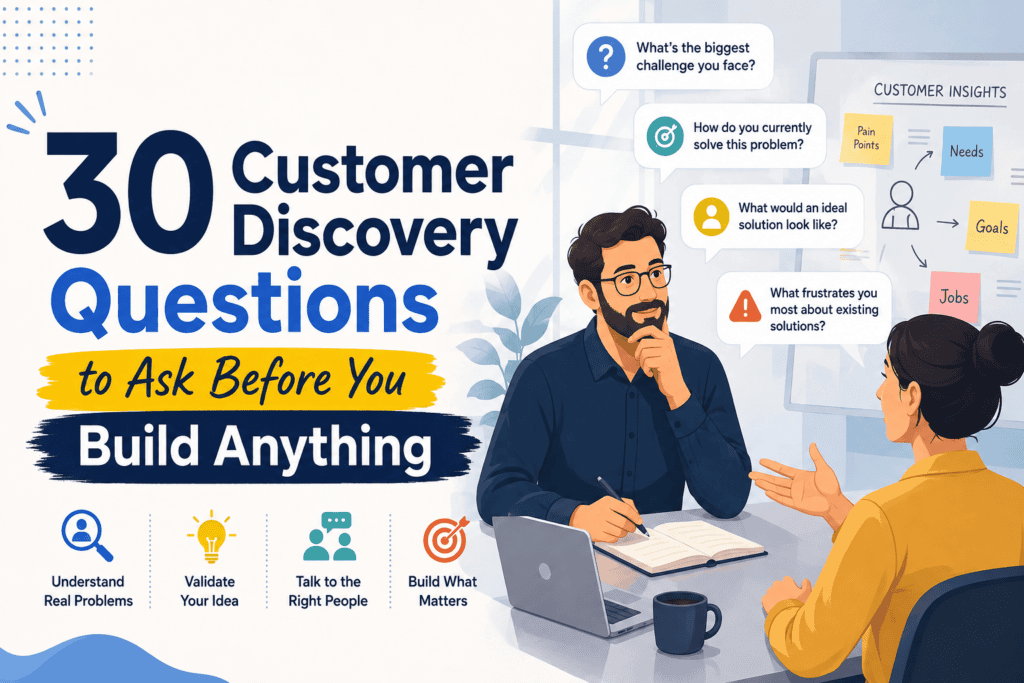
Quick Answer: Customer discovery interview questions are the structured questions founders ask real prospects to test a problem, not a solution, before writing code. A good customer interview script moves through background, problem, current workaround, urgency, and budget — never a pitch. With bkabhi, founders can approach customer discovery more strategically by focusing on real user needs before investing in development. Answer these 30 questions honestly and you will know whether to build, adjust, or walk away.
[IMAGE SUGGESTION 1] Heading: Hero image — founder conducting a discovery call Detailed prompt: A founder sitting at a small desk with a laptop and open notebook, mid-conversation on a video call, warm natural light, candid startup-office setting, no on-screen text Detail caption: A founder running a live customer discovery interview before committing budget to development Alt text: founder asking customer discovery interview questions during a video call Format: Screenshot-style photo, 1200x675px, placed directly under the H1
Most founders skip straight to building. They open Figma or a code editor before they have spoken to a single real prospect.
That order is backwards. Customer discovery interview questions exist to catch a bad idea while it still costs nothing but an hour of conversation.
This guide gives you all 30 questions, a full customer interview script, and the exact discovery call questions startup teams use to decide what to build next.
Table of Contents
What Customer Discovery Interviews Actually Are
Customer discovery is a conversation, not a survey. You are trying to understand a person’s real problem, in their own words, without leading them.
The method traces back to Steve Blank’s customer development process, which treats early customer conversations as a formal step before product build, not an afterthought.
A proper set of customer discovery interview questions stays focused on the past and present. You ask what someone actually does today, not what they might do with your future product.
That distinction is the whole game. People are generous with compliments about ideas and unreliable about predicting their own future behavior.
A well-run set of customer discovery interview questions also builds the foundation for product-market fit later. You cannot chase fit with a market you have never actually spoken to.
Customer Discovery vs Market Research
Market research pulls broad, quantitative data from reports and surveys. Customer discovery pulls narrow, qualitative insight from direct conversation with real prospects.
Both have a place, but only one lets you hear tone, hesitation, and the exact words a person uses to describe their own pain. That nuance rarely survives a survey form.
Treat customer discovery interview questions as the qualitative layer that sits underneath any market-sizing data you already have. Numbers tell you the market exists; interviews tell you whether your specific angle solves anything real.
Who to Interview and How to Find Them
Target people who already live with the problem daily, not people who might theoretically care about your category someday. Precision beats volume here.
Good sources include relevant online communities, LinkedIn outreach, existing waitlists, and warm introductions from people already in your network. Cold outreach works fine if the message stays short and problem-focused.
Aim for six to ten conversations in your first round of validate idea interviews. That’s usually enough to see a pattern without drowning in notes.
Why These Questions Matter Before You Build
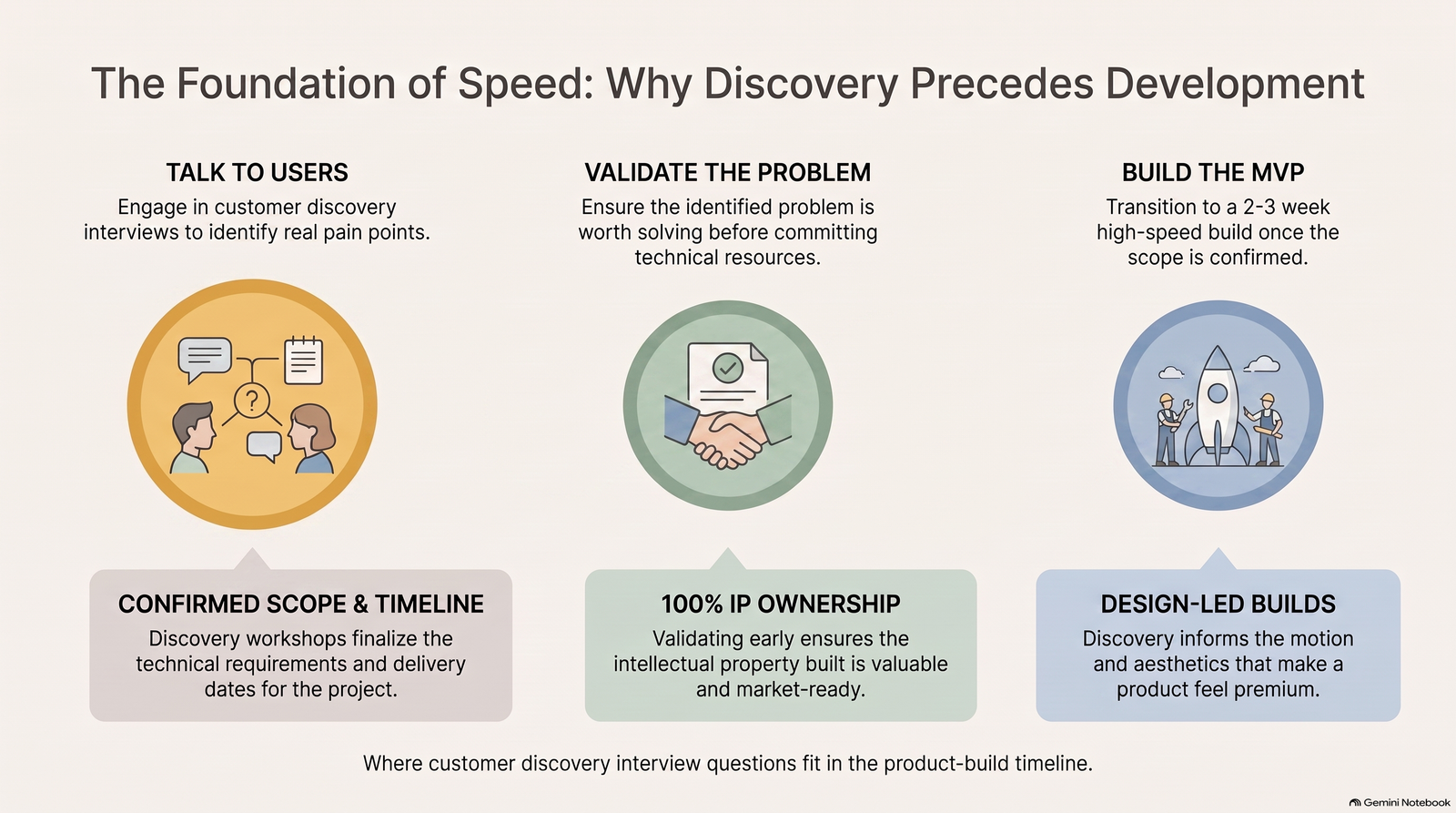
Skipping discovery is the single most expensive mistake early founders make. Teams spend months building features nobody asked for, then wonder why nobody signs up.
Good discovery call questions startup founders use early save that budget entirely. A one-hour call costs nothing compared to a wasted development sprint.
If you’re already scoping a build, our guide on what MVP development actually involves explains why discovery has to come before Step 1, not after.
Interviews also sharpen your pitch. Once you hear the same pain point from ten different people, you know exactly which words to use in your marketing.
Finally, these conversations protect your runway. Every founder who skips discovery interviews and goes straight to build ends up funding a guess instead of a validated idea.
There’s also a compounding benefit. The founders who ask customer discovery interview questions consistently, not just once before launch, build an early-adopter list that converts far faster than cold marketing ever could.
Investors notice this too. A founder who can quote specific answers from twenty customer discovery interview questions sessions sounds far more credible in a pitch than one who only has a hunch and a slide deck.
How to Structure a Customer Discovery Interview
A strong customer interview script follows a loose but deliberate order. It opens light, digs into the problem, and closes with a real ask.
Each section below maps to a block of the 30 questions further down this page.
- Warm-up — build rapport, lower their guard
- Background — understand who they are and their context
- Problem exploration — surface the pain in detail
- Current behavior — learn what they already do about it
- Impact and urgency — measure how much this actually costs them
- Buying signal — test real commitment, not polite interest
- Close — ask for a referral or a next step
Keep the whole call under 30 minutes. Longer sessions tend to drift into brainstorming, which defeats the purpose of validate idea interviews in the first place.
Write your customer interview script down before the first call, then let it get looser with practice. Founders who improvise from scratch tend to lead the witness without noticing.
A written script also keeps every conversation consistent, which matters once you’re comparing answers from ten or more different customer discovery interview questions sessions side by side.
30 Customer Discovery Interview Questions (By Category)
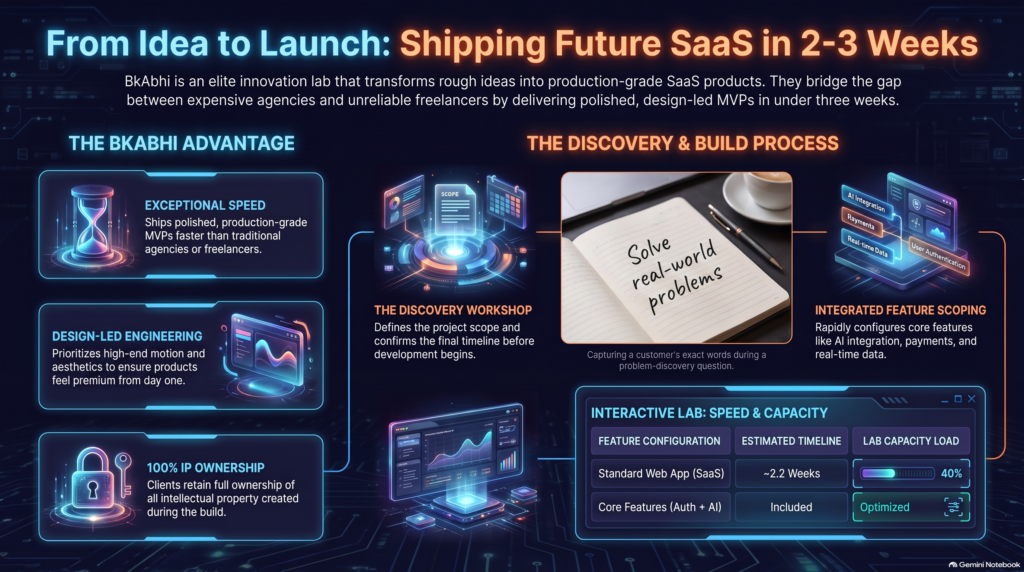
Here are all 30 customer discovery interview questions, grouped into six blocks of five. Use them as a menu, not a checklist — you rarely need to ask all 30 in a single call.
Block 1: Background and Context Questions
These open the conversation and tell you if you’re even talking to the right person.
- Can you walk me through your role and a typical day? This tells you if their context matches your target user.
- What does a normal week look like for you in this area? Routines reveal patterns you can’t get from a survey.
- What tools or systems are you currently using day to day? This maps their existing workflow before you propose anything.
- How long have you been dealing with this part of your work? Experience level changes how much pain they actually notice.
- Who else is involved when this comes up for you? This surfaces hidden decision-makers early.
Block 2: Problem Discovery Questions
This block is the heart of any customer discovery interview questions framework — you’re hunting for real pain, not confirmation.
- What’s the most frustrating part of doing this today? Let them describe the problem in their own words.
- Tell me about the last time this went wrong for you. A specific story beats a general opinion every time.
- How often does this problem actually come up? Frequency tells you whether this is a daily annoyance or a rare edge case.
- What have you already tried to fix it? Past attempts prove the problem is real enough to act on.
- If this problem disappeared tomorrow, what would change for you? This reveals the real value of solving it.
Block 3: Current Solution and Workaround Questions
People rarely have zero solution. They have a messy workaround, and that workaround tells you everything about willingness to switch.
This block of customer discovery interview questions is where you learn exactly what you’re competing against, even if that competitor is just a spreadsheet.
- What are you using right now instead of a real solution? Spreadsheets and manual workarounds are strong signals.
- What do you like about your current approach? You need to know what not to break.
- What’s missing from what you use today? This is your gap to fill.
- How much time do you spend on this workaround each week? Time spent is a proxy for real cost.
- Have you looked at other tools or services for this before? This tells you how aware they are of alternatives.
Block 4: Impact and Urgency Questions
This block separates a real priority from a mild inconvenience — a distinction most discovery call questions startup founders skip past too fast.
- How does this problem affect your results or numbers? Push for a concrete outcome, not a feeling.
- On a scale of one to ten, how urgent is solving this right now? Anything below a seven usually means low priority.
- What happens if you do nothing about this for another year? This tests whether the status quo is actually painful.
- Has this problem ever cost you money, time, or a client directly? Direct cost is the strongest signal you’ll get.
- Where does this rank against your other priorities this quarter? Interest without priority rarely converts.
Block 5: Willingness to Pay and Buying Behavior Questions
Compliments are free. Money and time are not. This block is where validate idea interviews earn their name.
- How do you currently pay for tools that solve similar problems? This reveals their existing budget category.
- What would you expect to pay for something that solved this well? Don’t anchor them — let them name a number first.
- Who signs off on a purchase like this in your organization? This finds the real buyer, not just the user.
- Would you be willing to pre-order or pay a deposit today? This is the clearest commitment test that exists.
- What would need to be true for you to switch from your current setup? This surfaces the real switching cost.
Block 6: Closing and Referral Questions
End every call with a concrete next step, not a vague “thanks for your time.” This final block of customer discovery interview questions turns a single conversation into a growing pipeline of future testers.
- Would you be open to testing an early version when it’s ready? This builds your beta list in real time.
- Can I follow up with you in a few weeks with what I learn? This keeps the relationship warm for later.
- Is there anyone else you know who deals with this same problem? Referrals are the fastest way to fill your interview pipeline.
- What did I not ask that I should have? This question alone often surfaces your best insight.
- Would you like early access once we launch? A yes here is a genuine signal worth tracking.
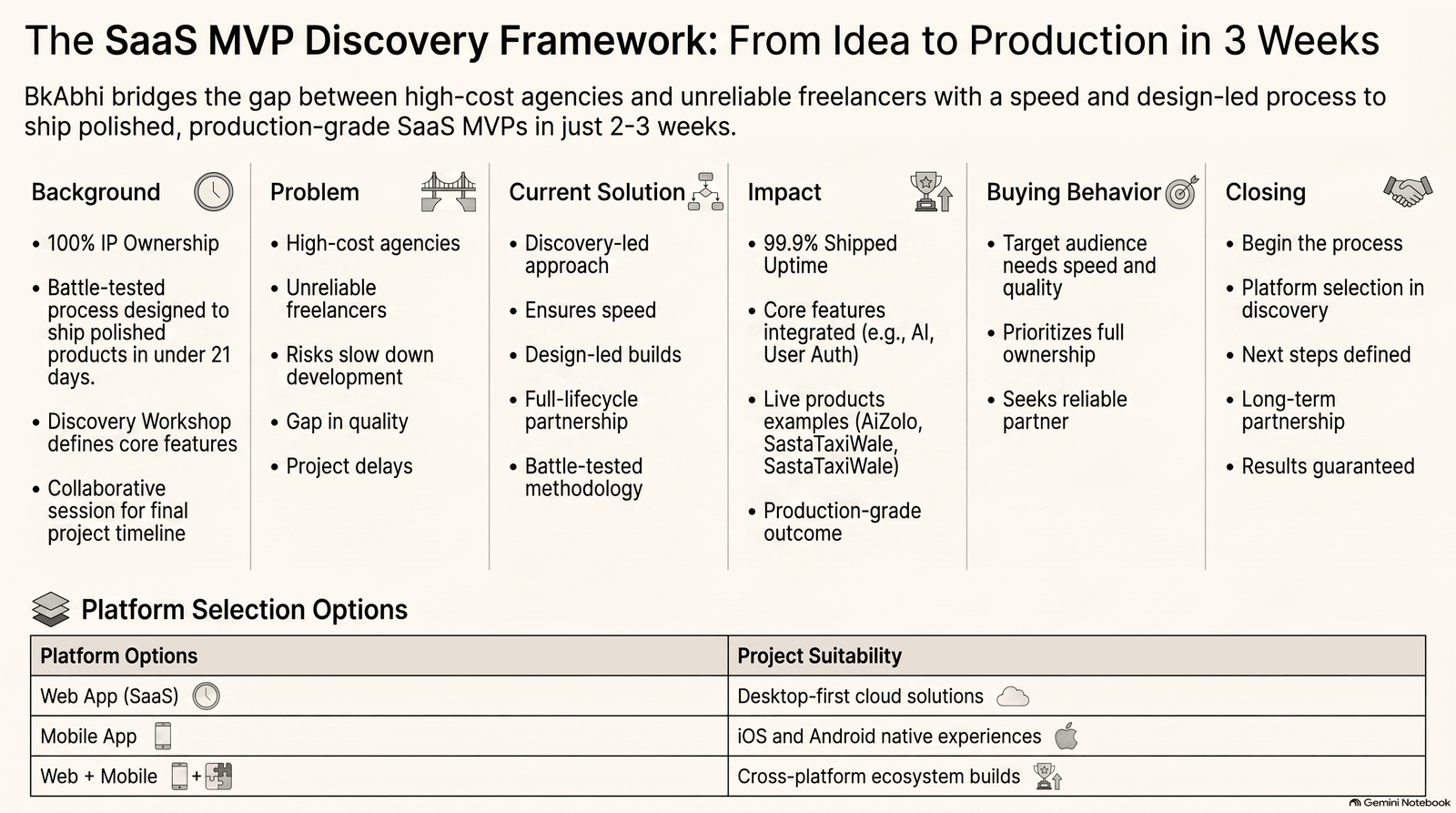
A Sample Customer Interview Script You Can Copy
Below is a short customer interview script built directly from the 30 customer discovery interview questions above. Adjust the wording, keep the order.
“Thanks for making time — I’m not selling anything today, I’m just trying to learn about how you currently handle [topic]. Can you walk me through a typical week? … What’s the most frustrating part of that? … What have you tried already to fix it? … How much does that end up costing you in time or money? … If you don’t mind me asking, what would you expect to pay for something that actually solved this? … Is there anyone else dealing with the same thing I should talk to?”
Notice the script never mentions your product idea until the very end, if at all. That restraint is what separates a real interview from a disguised sales pitch, a principle Rob Fitzpatrick outlines in detail in The Mom Test, one of the most referenced books on early customer conversations.
Common Mistakes That Ruin Discovery Calls
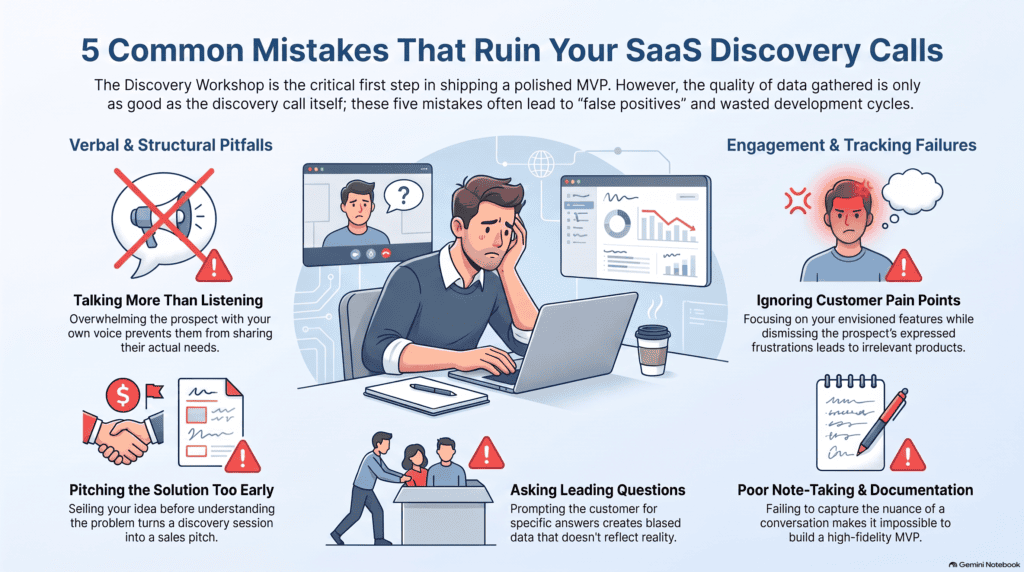
Even good founders sabotage their own customer discovery interview questions without realizing it. Watch for these patterns before your next round of calls.
- Pitching too early. The moment you describe your idea, every following answer becomes polite feedback instead of honest data.
- Asking hypothetical questions. “Would you use an app that…” invites fantasy answers, not real behavior.
- Only interviewing friends and family. They want to protect your feelings more than they want to give you the truth.
- Stopping after two or three calls. Y Combinator’s guidance on talking to users suggests patterns usually emerge after six to eight conversations, not two.
- Filling silence. Let a pause sit. The best insights often come right after you stop talking.
- Leading the witness. Phrasing a question as “Don’t you think this would help?” invites agreement instead of honest signal.
- Skipping notes. Memory fades fast. Write down direct quotes during or immediately after every discovery call.
- Treating every “yes” the same. A polite “sounds interesting” and a pre-order deposit are not the same signal, even though they can feel similar in the moment.
Avoiding these mistakes is what separates founders who run real customer discovery interview questions sessions from founders who just collect compliments and call it validation.
How to Turn Answers Into a Build Decision
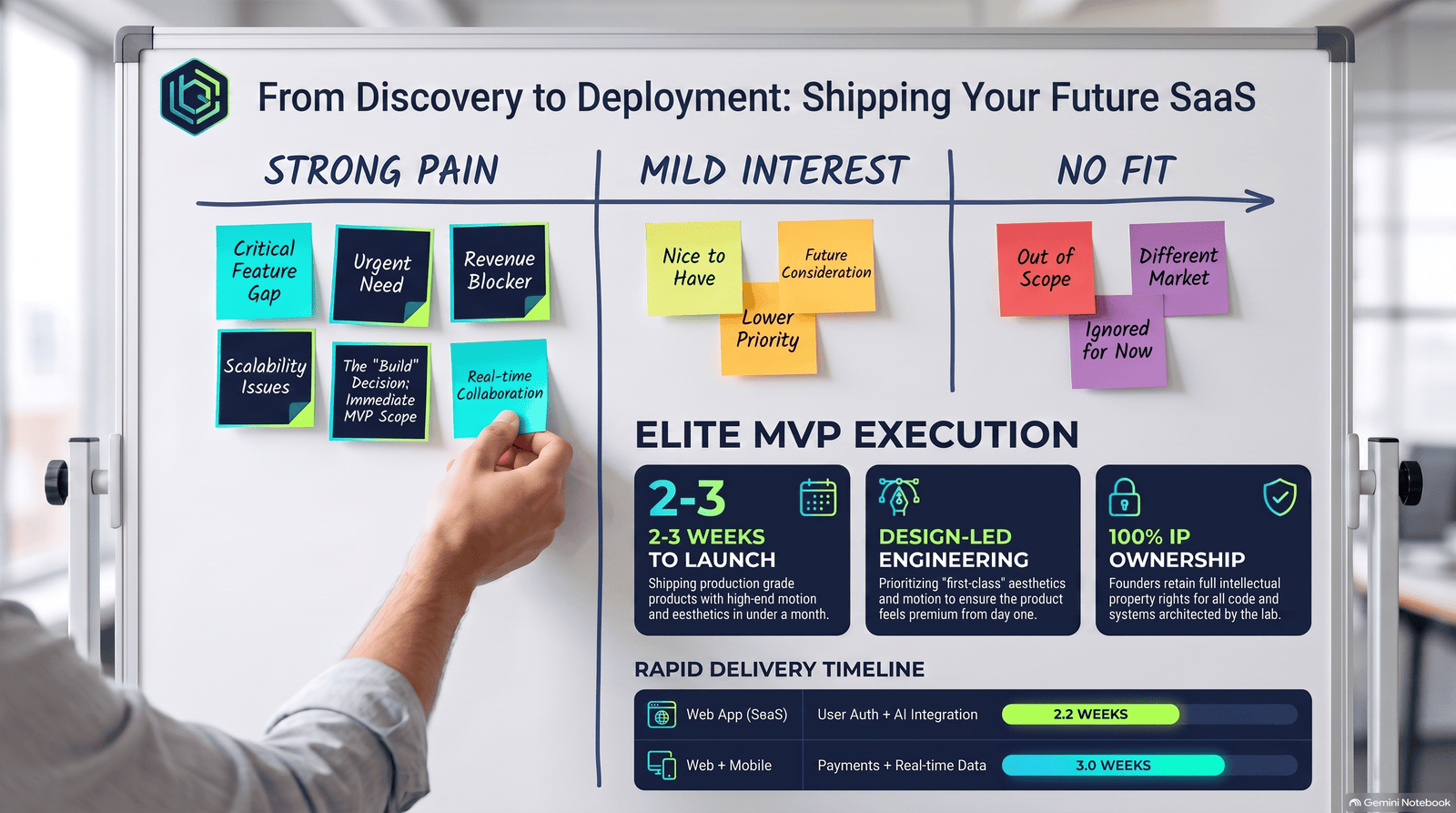
Interviews are only useful if you actually act on what you hear. Look for a repeated pattern across at least five to eight rounds of customer discovery interview questions before you trust it.
Group every answer into three buckets: strong pain with an existing workaround, mild interest with no urgency, or a flat mismatch with your target user.
Only the first bucket justifies spending real money on a build. If you’re at that stage, our comparison of MVP vs full product development helps you scope exactly how much to build first.
Founders who validate through structured validate idea interviews typically move faster once they do start building, because the riskiest assumption is already tested.
If the pattern points toward a working prototype next, this breakdown of rapid prototyping versus MVP development is a useful next read before you brief a team.
And when you’re ready to bring in outside help, knowing how to hire an MVP development team without overpaying will save you from the same mistakes bad discovery causes on the build side.
FAQs
How many customer discovery interview questions sessions should I run before deciding? Most founders see repeatable patterns after six to eight structured conversations, though sharper or more specialized markets sometimes need more.
Should I record customer discovery interview questions and answers? Yes, with permission. Notes taken live miss tone and specific phrases you’ll want later for marketing copy.
What’s the difference between a discovery call and a sales call? A discovery call listens and learns; a sales call pitches and closes. Mixing the two quietly ruins your data.
Can I use these questions for an existing product, not just a new idea? Yes. Swap “problem” language for “current experience” language and the same customer interview script works for retention research too.
Do I need a warm introduction to get someone to agree to an interview? It helps, but cold outreach on LinkedIn or relevant communities works fine if your message is short and specific about the problem, not your product.
Should each interview follow the exact same customer interview script? Keep the structure identical so answers stay comparable, but let the specific wording flex naturally with each conversation.
What if nobody I interview shows real urgency or willingness to pay? That’s a valid, useful outcome. It usually means the problem isn’t painful enough yet, and it’s cheaper to learn that from ten interviews than from a finished build.
Can a solo founder run customer discovery interview questions sessions alone? Yes, and it’s often better that way early on. Founders who talk to users directly catch nuance a hired researcher or assistant would likely miss.
Final Thoughts
Thirty customer discovery interview questions look like a lot on paper, but a real call only needs eight to twelve of them, chosen for the person in front of you.
The discipline that matters most is order: background, then problem, then current behavior, then money, then a next step. Never a pitch in the middle.
Run these customer discovery interview questions before you write a single spec document. Once the pattern is clear, BkAbhi’s MVP development approach is built specifically to turn validated learning into a working first version without wasting budget on guesswork.
Author Bio
Jeevesh Tripathi Email: jeevesh@bkabhi.com
Jeevesh Tripathi is a product strategy researcher specializing in customer discovery frameworks, startup validation methods, and early-stage product-market fit. He writes extensively on lean product methodologies, drawing on hands-on experience helping founders scope, validate, and launch minimum viable products across SaaS, fintech, and consumer apps. His work is grounded in direct founder interviews, real vendor evaluations, and structured discovery-call research, reflecting a practical, experience-first approach to startup content.